
Introduction
Opening a family entertainment center can be an exciting opportunity for entrepreneurs interested in the recreational and leisure industry. These venues bring together different activities under one roof, giving families a place to enjoy quality time while children explore new experiences.
From compact children’s play centers to large indoor adventure destinations, entertainment businesses can be developed in many different formats. The challenge is choosing a concept that matches the available investment, commercial space, and local customer demand.
A successful project requires a combination of market research, appropriate equipment, attractive design, and effective operational planning.
Research the Local Entertainment Market
Before investing in equipment, investigate the recreational options already available in your target area.
Look at existing playgrounds, trampoline parks, amusement centers, and other family-oriented businesses. Consider their locations, admission prices, customer reviews, attractions, and operating hours.
This research can help identify opportunities that existing venues may not be addressing.
For example, an area with several small children’s play centers might offer an opportunity for a larger facility combining playground structures, climbing activities, and interactive attractions.
In another location, a dedicated trampoline park could provide a more distinctive entertainment concept.
Consider the preferences of local families as well. Parents may prioritize convenience, suitable activities for different ages, birthday facilities, and comfortable seating.
Understanding these expectations helps establish a business concept with a clearer market position.
Decide Which Attractions to Include
The equipment selected for an entertainment center determines much of its identity.
Traditional playground attractions remain popular among younger visitors. These can include slides, tunnels, climbing frames, soft play structures, ball pits, and interactive activity panels.
For older children, businesses can consider obstacle courses, climbing walls, adventure bridges, and other movement-based activities.
Some entertainment centers combine these attractions with themed play zones to create a more immersive environment.
When evaluating an Indoor Playground Manufacturer, examine the available equipment categories, customization options, and previous commercial installations.
A manufacturer with a varied product range can help project owners compare different configurations rather than limiting their decisions to one standard playground package.
The equipment should ultimately reflect the intended customer group and the available building space.
Choose a Suitable Property
Location can strongly influence the performance of a family entertainment business.
Shopping centers, commercial districts, and areas with substantial residential populations may offer suitable opportunities, depending on local competition and customer demand.
Once a potential property has been identified, examine its physical characteristics.
Important considerations include:
- Total usable floor area.
- Ceiling height and structural conditions.
- Entrance and exit arrangements.
- Parking availability.
- Accessibility for families.
- Emergency evacuation routes.
- Space for reception and supporting facilities.
The property should accommodate the proposed attractions without creating unnecessary congestion.
It is also important to understand the building’s permitted commercial use and any local licensing requirements before committing to a lease or purchase.
Develop an Efficient Playground Layout
A family entertainment center should feel organized from the moment visitors enter.
Start with a reception and ticketing area that allows employees to manage admissions efficiently.
The main playground can then be divided into activity sections according to equipment type and intended age groups.
A toddler zone should be separated appropriately from more challenging attractions. Older children may have access to climbing structures, obstacle activities, and adventure-based play equipment.
Parents should have convenient seating areas with suitable views of the main attractions.
Party rooms, storage facilities, staff areas, and washrooms should also be included in the overall design.
Working with the manufacturer during the planning stage can help ensure that the proposed equipment fits the building dimensions and supports practical visitor movement.
Explore the Potential of a Dedicated Trampoline Park
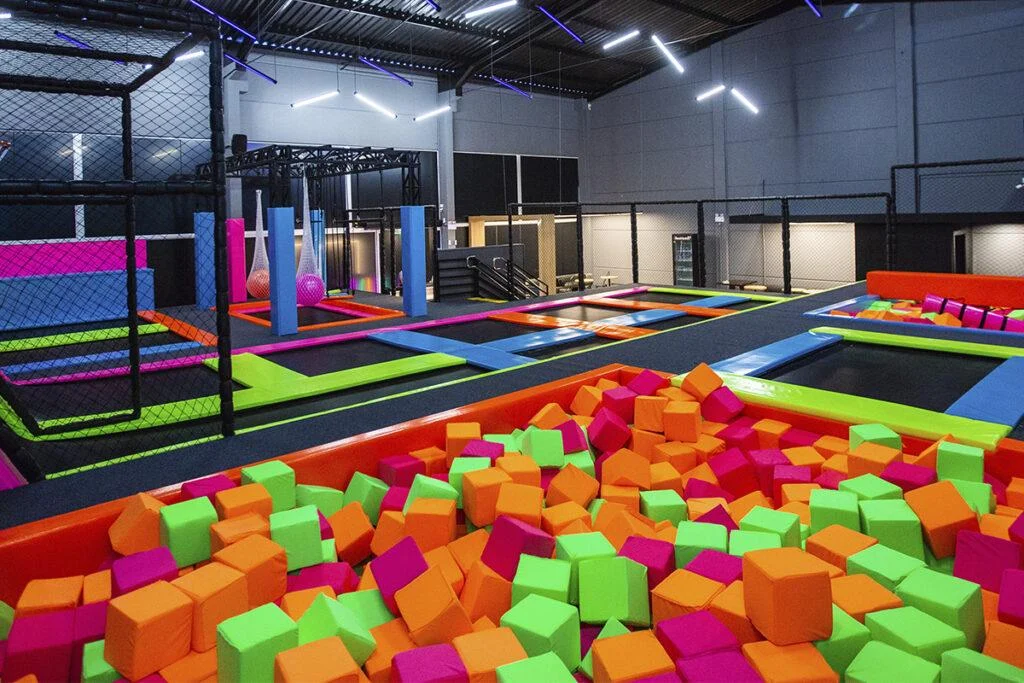
Trampoline parks offer another business concept for entrepreneurs who want to develop an entertainment facility focused on physical activities.
These venues generally include specialized jumping attractions that can appeal to children, teenagers, and adults.
Depending on the project, a trampoline park may feature interconnected jumping areas, foam pits, basketball activities, obstacle challenges, and other recreational sections.
Some businesses operate trampoline facilities independently, while others incorporate jumping attractions into larger family entertainment centers.
If this concept interests you, consulting a professional Trampoline Park Equipment Manufacturer can help you understand the available equipment and project requirements.
KanbeiPlay provides dedicated trampoline park solutions for commercial developments. Its equipment range offers a starting point for exploring different layouts and attraction combinations.
Before selecting a package, consider the property’s ceiling clearance, structural requirements, usable floor area, visitor capacity, and supervision arrangements.
Focus on Equipment Quality and Safety
Commercial playground equipment is expected to accommodate frequent use, making product quality an important purchasing consideration.
Ask potential suppliers about their manufacturing processes, construction materials, protective surfaces, and inspection procedures.
Depending on the attraction, equipment may incorporate steel frameworks, foam padding, PVC coverings, plastic components, and other materials.
Request detailed specifications rather than relying only on photographs or promotional descriptions.
It is also important to obtain relevant product documentation and verify applicable safety standards for the country where the facility will operate.
After installation, establish regular inspection and maintenance procedures.
Employees should receive appropriate training regarding equipment use, visitor supervision, cleanliness, and emergency arrangements.
Create Additional Revenue Opportunities
A family entertainment center can generate income through several services.
General admission tickets are a common starting point, but operators can develop additional packages to serve different customer groups.
Birthday celebrations are particularly relevant because families often prefer venues that combine entertainment and event facilities.
Other opportunities include:
- School and educational group visits.
- Private celebrations and corporate family events.
- Multiple-visit membership packages.
- Weekend family admission offers.
- Seasonal recreational programs.
- Organized group activities.
The suitability of each option depends on the local market and the venue’s available facilities.
For example, dedicated party rooms can support birthday packages without disrupting regular playground operations.
Establish a Realistic Financial Plan
The initial investment should be calculated carefully before construction begins.
Equipment manufacturing is only one expense. Other costs may include property rental, interior construction, flooring, lighting, transportation, import charges, installation, staff salaries, insurance, utilities, and marketing.
Request itemized quotations from manufacturers and compare what each proposal includes.
Pay attention to customization charges, delivery schedules, installation responsibilities, warranty arrangements, and replacement component availability.
It is also important to calculate monthly operating expenses and estimate the number of visitors required to cover them.
Avoid building financial projections around maximum visitor capacity alone. Consider quieter weekdays, seasonal changes, and the time required to establish a customer base.
Build a Recognizable Entertainment Brand
Marketing should begin before the facility officially opens.
A professional website can introduce the venue, explain available attractions, display admission prices, and provide booking information.
Social media platforms are useful for sharing construction updates, equipment previews, promotional campaigns, and opening announcements.
Local partnerships with schools, community organizations, and family-focused businesses can also increase awareness.
After opening, encourage visitors to share genuine feedback and monitor reviews to identify opportunities for improvement.
A consistent brand identity, friendly customer service, and a well-maintained facility can help establish customer trust.
Prepare for Long-Term Operations
Opening day is only the beginning of running an entertainment center.
Business owners should establish clear procedures for admissions, cleaning, equipment inspections, staff responsibilities, and customer service.
Maintenance schedules should follow manufacturer instructions and applicable requirements.
Operators should also monitor visitor feedback and identify which attractions are most popular.
This information can guide future equipment upgrades and marketing decisions.
Keeping the facility clean, organized, and properly maintained helps support a consistent visitor experience.
Conclusion
Starting a family entertainment center requires a combination of business research, thoughtful design, appropriate equipment, and responsible management.
Entrepreneurs should begin by understanding their local market and selecting a concept that reflects customer demand. The next steps involve finding a suitable property, choosing attractions, developing an efficient layout, and preparing a realistic financial plan.
Whether the project focuses on traditional indoor playground activities or a dedicated trampoline park, selecting the right manufacturing partner can make equipment planning more straightforward.
With careful preparation and a clear operating strategy, a family entertainment center can develop into an attractive recreational destination for its community.
