
The bowl has been the default cat water delivery system for generations, but it is not always the best one. It is easy to refill, easy to place, and easy to forget. That last point is the problem. Cats have a weak thirst drive to begin with, and a still bowl gives them little reason to drink often. A pet water fountain changes the equation by turning water into something a cat notices and revisits, which is why so many owners make the switch after watching their cat ignore a full bowl for days.
This comparison looks at both options honestly, including where bowls still make sense, so you can decide which setup fits your household.
The Bowl’s Quiet Advantages
Bowls are not obsolete. A ceramic or stainless bowl is simple, silent, and easy to wash, and it never breaks down in the middle of the night. For a cat that already drinks well, a bowl in a quiet corner may be all that is needed. Bowls are also the better choice for very nervous cats that find moving parts unsettling, and they are the easiest option during travel or in multi-story homes where a second water source makes sense.
The catch is maintenance. A still bowl collects hair, dust, and food crumbs, and the water warms to room temperature within hours. Many owners refill the bowl without washing it, which leaves a film that cats can smell. A bowl only works well if it is washed and refilled daily, and that is precisely the habit many households struggle to keep.
Bowls also vary in quality. A deep, narrow bowl presses on a cat’s whiskers, which some cats find genuinely unpleasant, and a light plastic dish slides across the floor when a cat drinks. A wide, shallow ceramic or stainless bowl with a rubber base solves both problems cheaply, and it is a better starting point than a fountain for a cat that is easily spooked.
Where Fountains Pull Ahead
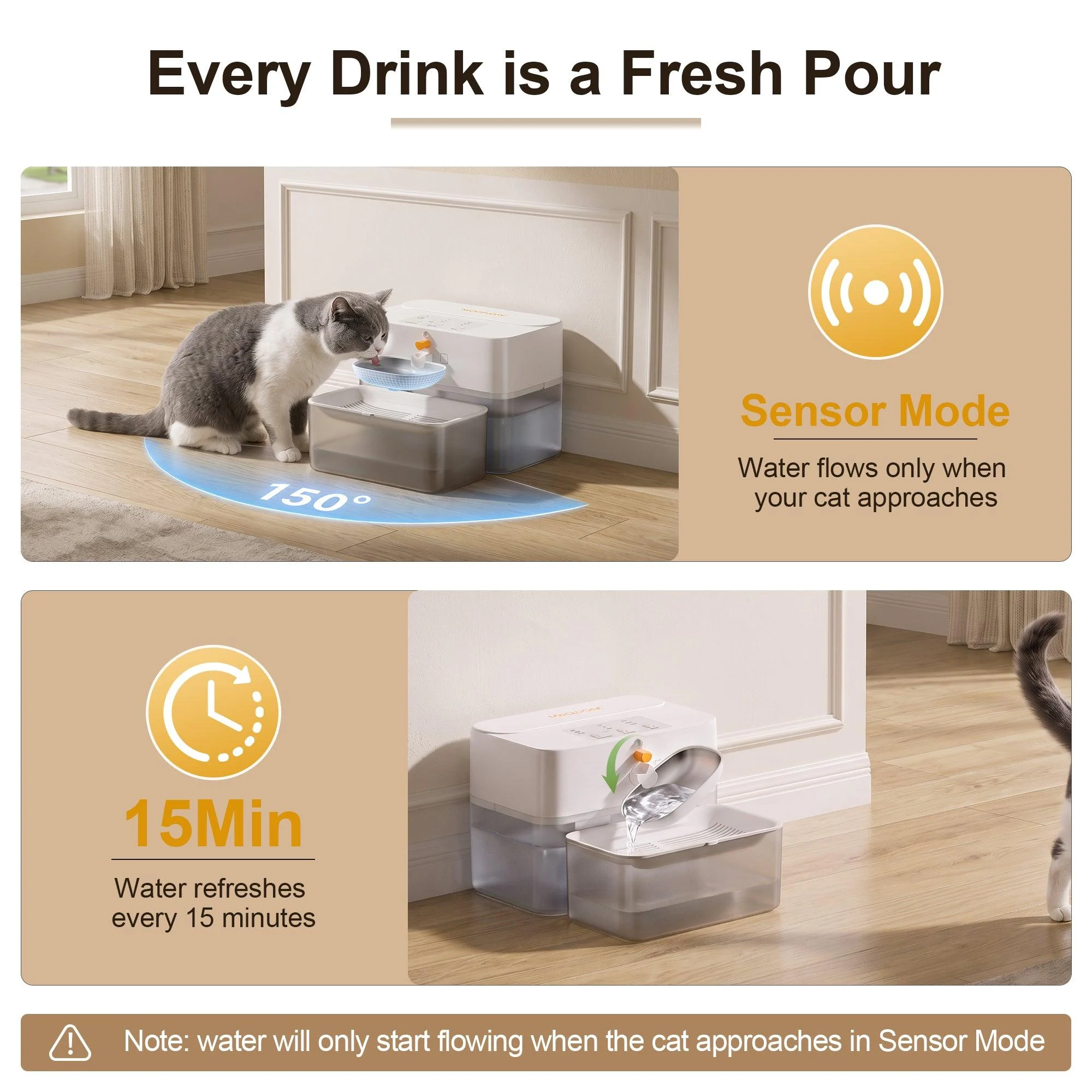
A fountain solves two problems at once: it keeps water moving, and it holds a larger volume so the source does not run dry between refills. The movement is the key difference. Cats are drawn to the sight and sound of flowing water, and the constant circulation keeps the surface fresher than a static bowl. That combination tends to increase how often a cat drinks, which matters most for cats on dry food.
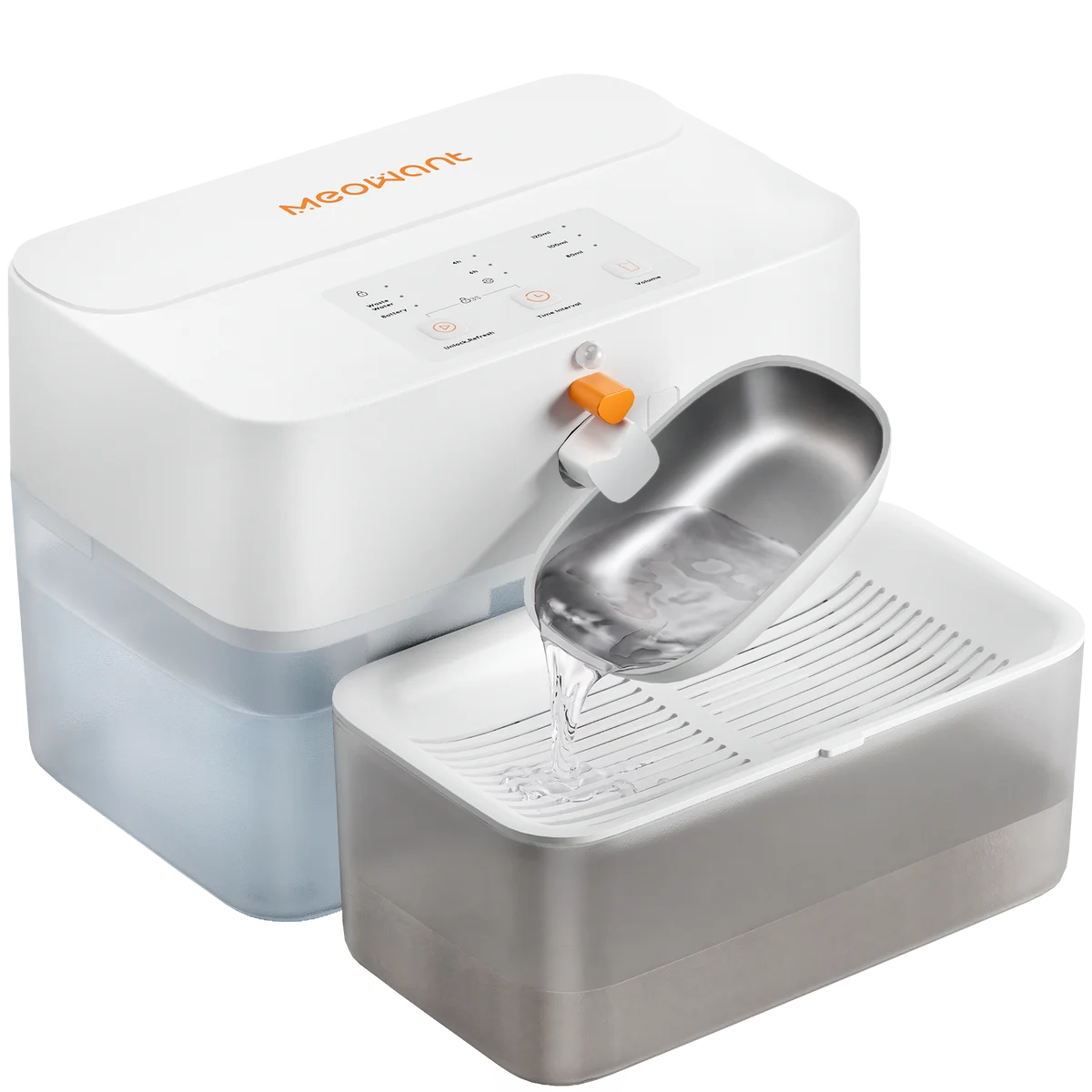
The larger reservoir is a practical bonus. A fountain can run for days without a top-up, which removes the daily refill from the chore list and keeps water available during long workdays or weekends away. Many fountains also include a carbon filter that reduces odors and traps hair, though the filter only helps if it is replaced on schedule.
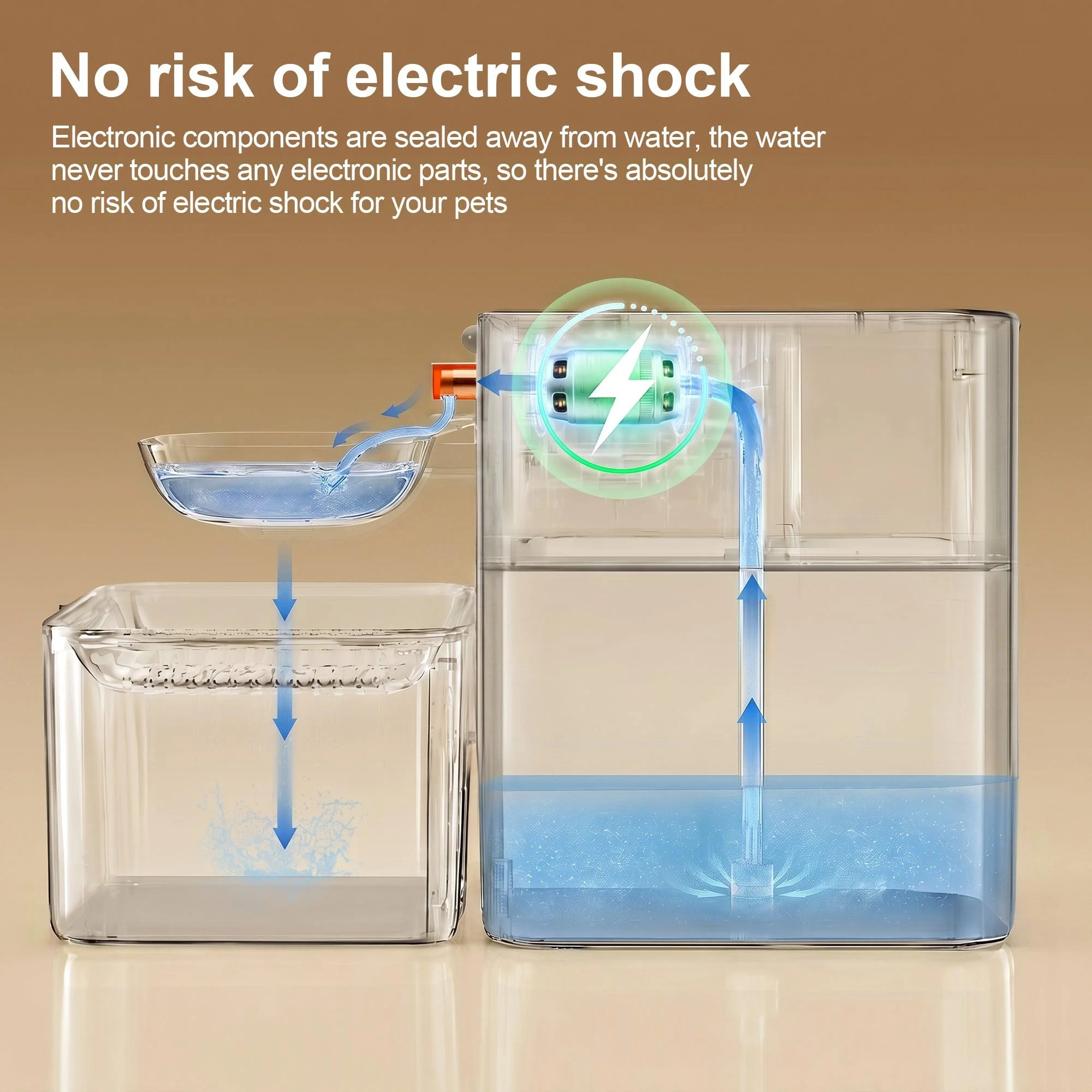
The tradeoffs are real, though. Fountains need power, produce some pump noise, and require periodic cleaning of the reservoir, pump, and filter housing. A fountain that is not cleaned becomes a breeding ground for biofilm, which is worse than a fresh bowl. The question is not whether a fountain is superior in every way, but whether the maintenance load fits your routine.
Noise is the most common complaint, and it is worth taking seriously. A cheap pump can hum, rattle, or gurgle at a pitch that bothers cats and humans alike. Before buying, listen to the fountain in a quiet room if possible, or read reviews that specifically mention sound levels. A fountain that is too loud will be moved to a far corner, which defeats the purpose of making water convenient.
Power reliability matters as well. A fountain stops when the power goes out or when the cord is knocked loose, and a cat that is used to a fountain may not think to look for a bowl. Keeping a bowl filled in another room is a simple safeguard, and it costs almost nothing.
Matching the Setup to Your Household
The right choice depends less on the product than on your cat and your habits. A few practical questions narrow it down quickly.
How Does Your Cat Drink Now?
If your cat regularly empties its bowl, drinks after meals, and has normal litter box output, a fountain is a convenience rather than a necessity. If your cat barely touches the bowl, drinks from taps or sinks, or shows signs of low intake, a fountain is worth trying. Cats that seek out running water are the clearest candidates.
How Much Maintenance Will You Do?
Be honest about this one. A bowl needs a daily rinse and refill. A fountain needs weekly cleaning plus filter changes, and the pump should be checked for hair and mineral buildup. If a weekly task is realistic, a fountain will pay off. If not, a simple bowl washed daily is the better choice, because a neglected fountain is a health risk rather than a benefit.
Who Else Lives in the House?
Multi-cat homes benefit from multiple water sources regardless of type. A fountain can serve several cats from one reservoir, but a shy cat may avoid a busy fountain the same way it avoids a contested bowl. Placing a fountain in one room and a bowl in another covers more bases than any single source.
Dogs change the calculation too. A large dog can empty a fountain reservoir quickly or knock a light bowl around, so a sturdy, heavier fountain or a bowl placed out of reach makes more sense. Cats also dislike sharing a water source with a dog, so keeping the cat’s water in a separate, quieter room is often the simplest fix.
Children are another factor. A fountain with exposed water and a power cord needs to be placed where a toddler cannot pull it over or play with the pump. A bowl on the floor is harder to tip and easier to supervise, which can make it the safer choice in a busy family home.
Getting the Most From Either Option
Whichever you choose, placement and cleanliness do most of the work. Cats prefer water away from their food, away from the litter box, and out of high-traffic paths. A water source beside a noisy appliance or in a busy hallway will be used less, no matter how good the product is.
For fountains, a few habits make a big difference. Rinse the reservoir whenever you refill it, replace filters on the manufacturer’s schedule, and check the pump intake for hair every week or two. Meowant’s fountains are built with quiet pumps and removable parts that make those checks quick, which is the difference between a fountain that lasts years and one that gets unplugged after a month.
For bowls, use a wide, shallow dish that does not press on whiskers, and wash it daily with hot water. Refill with fresh water rather than topping off an old bowl, since topping off leaves residue behind. If you use a bowl, consider adding a second one in another room so your cat always has an option.
Whichever option you choose, keep the water line visible. A fountain with a clear window and a bowl that sits at eye level both make it obvious when water is low, and that small piece of feedback prevents the common failure of a dry source going unnoticed for a day. Cats are quick to give up on a water source that has failed them before.
Watch for changes either way. A cat that suddenly drinks much more or much less, or that starts avoiding a water source it used to like, is telling you something. Sometimes the fix is as simple as a cleaner bowl or a quieter pump; sometimes it is a reason to call the vet.
Seasonal habits are worth noting too. Cats often drink less in cooler months and more in summer, and a fountain’s larger reservoir helps cover those swings without daily attention. If you notice a pattern that does not fit the season, such as a cat drinking heavily in winter or barely touching water in a heat wave, mention it at your next vet visit rather than waiting for a problem to develop.
The best setup is usually the one you will maintain. A fountain with a clean filter and a fresh reservoir outperforms a neglected one every time, and a bowl that is washed daily beats a fountain that has not been touched in a week. Choose based on your habits, not on which product sounds more advanced, and your cat will benefit from the consistency either way.
The Right Water Source Is the One Your Cat Uses
Bowls and fountains both work, but they suit different cats and different owners. A bowl is simple and dependable if it is washed daily. A fountain encourages more frequent drinking and holds more water, at the cost of weekly maintenance and a power source. Neither is universally better, and many households do well with both.
Start by observing how your cat drinks and how much upkeep you will realistically do. Then choose the setup that fits, place it somewhere quiet and clean, and keep it that way. Hydration is a habit, and the best water source is the one that stays clean and gets used every day.
