
Anyone who has owned a traditional recliner knows the ritual: pull the handle, feel the footrest rise, and watch the back of the chair inch toward the wall until it stops a few inches short. That gap is not a design flaw so much as a geometry problem, and it costs real floor space in rooms that cannot spare it. Wall hugger recliners take a different approach, sliding the seat forward as the back tilts rather than pushing the back out. The result is a chair that can sit close to the wall and still recline fully, which changes how a small living room can be arranged. This guide explains how the mechanism works, where it fits best, and what to check before buying one.
How the Mechanism Actually Works
The difference between a standard recliner and a wall hugger comes down to which part of the chair moves. A conventional recliner needs a few inches of clearance behind it because the back pivots outward as it tilts. A wall hugger moves the seat and back assembly forward on a track, so the rear of the chair stays roughly where it started. That is why a wall hugger can sit within a hand’s width of the wall and still give you a full recline, while a standard model may need well over a foot of clearance.
Clearance in Real Rooms
Advertised clearance figures are measured from the back of the chair to the wall, and they assume the chair is square to the wall. Real rooms are rarely that tidy. A baseboard, a radiator, or a curtain can add an inch or two, and a chair placed at a slight angle changes the required gap. Measure the distance from the wall to the front of the baseboard, then add a safety margin before deciding the chair will fit. If the room has deep window sills or a low ledge, check that the top of the reclined back does not contact them. The payoff is significant: reclaiming that gap often means the difference between fitting a side table beside the chair and not.
Comfort and Recline Positions
Mechanism alone does not make a chair comfortable. The seat depth, back angle, and lumbar support all matter, and a wall hugger that reclines deeply but offers no support will still be tiring after an hour. Look for a back that follows the curve of the spine and a headrest that can be adjusted independently, since a fixed headrest forces you to choose between reading and resting. Power recliners add smooth, incremental control and often include a USB or USB-C port for charging a phone. A power headrest is a particularly useful upgrade, because it lets you sit upright for conversation and lean back for a nap without changing the seat angle. Sit in the chair through at least two full recline cycles before deciding, and test the transition from sitting to standing, which is where weaker mechanisms feel unstable.
Where Wall Hugger Recliners Fit Best
The obvious home for a wall hugger is a small living room, but the chair earns its place in several other settings where floor space is precious or the layout is awkward.
Apartments and Tight Layouts
In an apartment, every inch of floor is part of the budget. A wall hugger lets you push the chair against the wall and still open it fully, which frees up the walking path behind it. That matters in a room where the sofa faces the television and the gap behind the seating is the only route to the balcony. The chair also works well at the end of a sofa, angled toward the room, because it does not need the buffer zone a standard recliner demands. If the room doubles as a home office, the chair can serve as a reading seat during the day and a movie seat at night without dominating the floor plan.
Bedrooms and Reading Corners
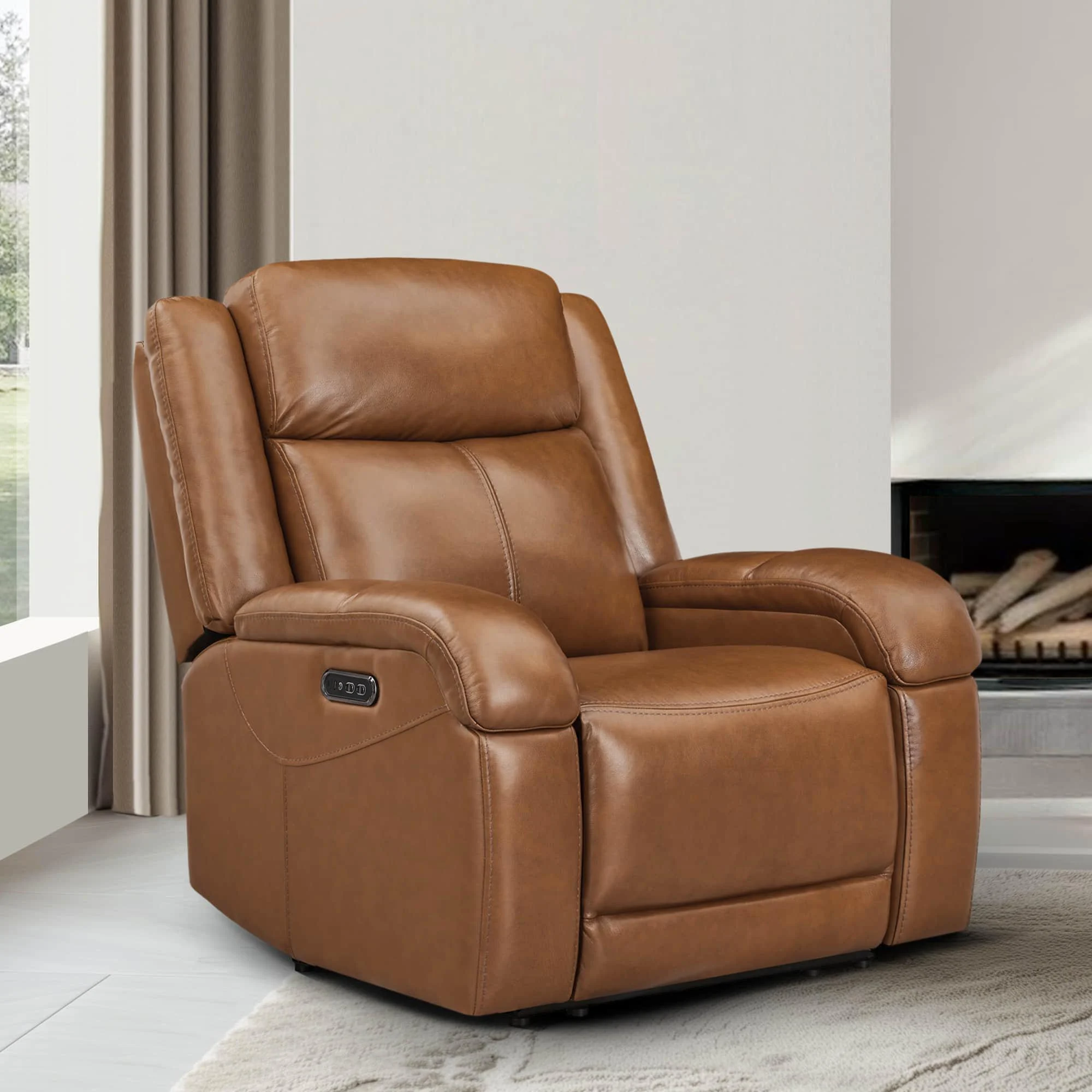
A bedroom recliner is often the most-used chair in the house, and a wall hugger suits the corner placement that bedrooms encourage. Placed beside a window with a small table and a lamp, it becomes a reading nook that does not intrude on the bed. In a guest room, it gives visitors somewhere to sit that is not the mattress. Because the chair does not need rear clearance, it can tuck into a corner that would otherwise be dead space. A leather wall hugger recliner adds a tactile, easy-to-clean surface that suits a bedroom used by different people over time.
Matching the Chair to the Room
A recliner is a bulky object by nature, so its visual weight matters as much as its dimensions. Upholstery choice sets the tone: leather reads formal and wipes clean, while a textured fabric softens the silhouette and suits casual rooms. Color should relate to the sofa and rug rather than compete with them; a neutral that echoes the walls will let the chair recede, while a deeper tone can act as an accent. Legs and base style matter too, since a chair on a visible metal base looks more like a mechanical piece than one with a tailored skirt.
Think about the chair’s role in the seating plan. If it is the primary seat, it should face the focal point directly and have a clear path to it. If it is a secondary seat, angling it toward the sofa creates a conversation grouping. Leave enough room beside the chair for a small table and a lamp, and check that the footrest does not collide with a coffee table when fully extended. A few inches of planning here prevents the daily annoyance of moving furniture before you can relax. Brands such as CHITA LIVING offer wall hugger models that pair these mechanisms with finishes meant to blend into a living room rather than announce themselves.
Power or Manual: Choosing the Control
Manual recliners rely on a handle or lever and a body-weight mechanism, which means no wiring, no motor to fail, and a lower cost. They are simple and dependable, and for a chair that is used occasionally they are entirely adequate. The catch is effort: a manual handle can be stiff for someone with limited grip strength, and the recline positions are often limited to a few stops rather than a smooth range.
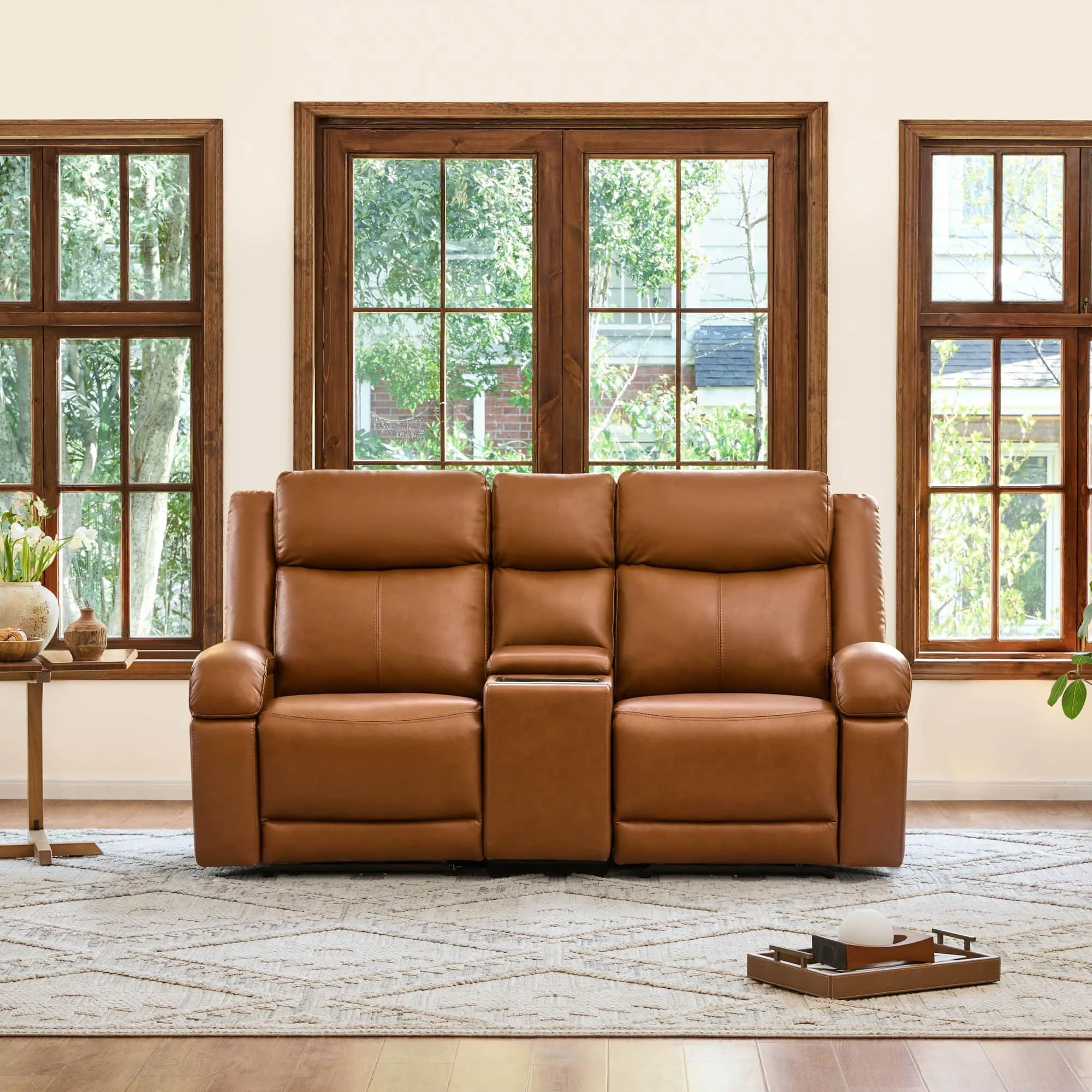
Power recliners trade that simplicity for incremental control. A button lets you ease the back and footrest into exactly the angle you want, and the movement is slow and stable, which is easier on the joints. Power models usually add a charging port, a welcome feature in a room where phones and tablets follow everyone. The trade-off is a cable to route and a motor that can eventually wear out, so check the warranty and make sure the chair can be operated manually if the power fails. For a chair that will be used daily by someone who values easy adjustment, power is usually worth it. For a guest room or a rarely used corner, a manual wall hugger recliner is the more sensible choice.
What to Check Before You Buy
A recliner is a mechanical purchase as much as a furniture purchase, so the details that matter are the ones you cannot see from a photo. Ask about the mechanism’s weight rating, the warranty on the motor if it is power, and whether replacement parts are available. Confirm the clearance figure and measure your actual wall gap. Check that the chair can be delivered through your doorways and stairwell, since a reclined frame is often wider than it appears. If the chair will sit on hardwood, consider felt pads or a protective mat under the base.
- Verify the real-world clearance, including baseboards and curtains.
- Test the full recline and return cycle in the showroom.
- Confirm the motor warranty and parts availability for power models.
- Measure the delivery route, not just the room.
- Check that the extended footrest clears nearby tables.
The most common mistake is buying for the showroom rather than the room at home. A chair that looks compact on a wide showroom floor can feel enormous once it is beside a sofa in a narrow living room. Bring the room’s measurements, and if possible, tape the footprint on the floor before ordering. The second most common mistake is ignoring the standing transition: a chair that reclines beautifully but is hard to get out of will be avoided by older users, which defeats its purpose.
Small Footprint, Full Comfort
Wall hugger recliners are one of the few furniture designs that solve a real problem without asking for a compromise. They let a chair sit close to the wall, reclaim floor space in tight rooms, and still deliver a full recline. The key is to treat the purchase as a measurement exercise and a mechanism check, not just a style decision. Verify the clearance, test the recline, and match the upholstery to the room it will live in. Done well, the chair becomes the seat everyone quietly competes for, and the wall behind it finally has a purpose beyond collecting dust.
