
A sore toenail can be surprisingly disruptive. You may notice it when putting on your shoes in the morning, walking to work, or climbing a flight of stairs. At first, the discomfort might seem too minor to worry about. But when the pain persists or the skin around the nail starts changing, it is worth paying attention.
Toenail pain can have several causes, including an injury, pressure from footwear, a nail infection, or an ingrown nail. Knowing which warning signs deserve attention can help you decide when home care is no longer a sensible option.
What Might Be Causing Your Toenail Pain?
Sometimes the cause is straightforward. Shoes that are too tight can press against the toes, particularly during long walks or exercise. An accidental knock against furniture can also leave a toenail sore for several days.
Other problems develop more gradually. Cutting a nail too short or trimming its corners deeply may cause the growing edge to press into the surrounding skin.
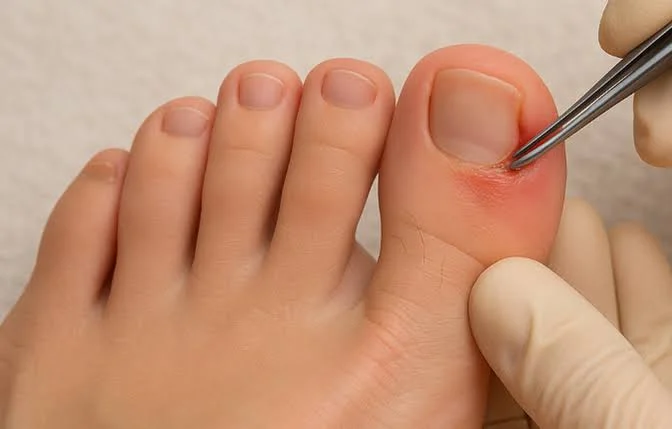
An ingrown toenail is a common example. The affected toe may feel tender at first, followed by redness, swelling, and increasing discomfort. In more advanced cases, the surrounding tissue can become infected.
Nail discolouration, thickening, or crumbling may point to a different issue, such as a fungal nail infection. Because several conditions can produce similar symptoms, it is not always possible to identify the cause by appearance alone.
Signs You Should Not Ignore
Mild tenderness after wearing tight shoes may settle once the pressure is removed. However, some symptoms deserve closer attention.
Persistent pain is one reason to arrange an assessment, particularly if it interferes with walking or keeps returning. Redness and swelling along the nail edge can indicate ongoing irritation, while pus or unusual drainage may suggest infection.
You should also pay attention if the skin becomes increasingly warm, the redness spreads, or the pain becomes noticeably worse.
Severe pain, rapidly spreading redness, or fever alongside a suspected infection requires urgent medical attention.
People with diabetes, poor circulation, reduced sensation, or impaired healing should seek professional advice early. A small wound or nail problem may become more serious when the feet are less able to heal normally.
Why an Ingrown Toenail Should Not Be Ignored
An ingrown toenail develops when the nail edge presses into or grows into the adjacent skin. It commonly affects the big toe and may begin with discomfort in one corner of the nail.
The problem can be aggravated by narrow shoes, incorrect trimming, repeated pressure, or naturally curved nails. As the nail continues to press against the skin, the tissue may become inflamed.
Trying to cut out the painful corner at home may seem like a quick solution, but it can cause additional injury. Digging underneath the nail or using sharp tools can introduce bacteria and make the area harder to manage.
If the symptoms are persistent, it is better to have the toe examined. The Ingrown toenail treatment provides further information about the condition and its common signs.
What Happens During a Professional Assessment?
A clinician will generally ask when the pain began, whether it has happened before, and whether anything makes it worse. They may examine the nail, surrounding skin, and affected toe to look for inflammation, infection, or injury.
Your medical history can also influence the recommended approach. For example, diabetes or circulation problems may affect how quickly an injury needs to be assessed.
Treatment depends on the findings. A mild case may be managed conservatively, while a more deeply embedded or recurring nail may require a minor procedure.
The goal is to address the cause of the discomfort, protect the surrounding tissue, and reduce the risk of further problems. If an infection is suspected, the clinician can determine whether additional treatment is necessary.
Understanding the Available Treatment Options
Not every painful toenail needs a procedure. The appropriate approach depends on the severity of the symptoms and the underlying cause.
For some ingrown toenails, reducing pressure and following professional care advice may be sufficient. In more troublesome cases, a clinician may remove the section of nail that is pressing into the skin.
People exploring ingrown toenail treatment should discuss the available options with a qualified healthcare professional rather than attempting nail removal themselves.
If you are experiencing recurring toe discomfort, consulting a Podiatrist in Singapore may help you understand the cause and determine an appropriate management plan.
Preventing Toenail Problems From Returning
Once the immediate discomfort has been addressed, a few practical habits may help prevent another episode.
Trim toenails straight across and avoid cutting them too short. Do not dig into the corners or tear away pieces of nail. If you find trimming difficult, ask a qualified professional for advice.
Choose shoes that leave enough room for your toes. Footwear should not press tightly against the front or sides of the nails, particularly during exercise or long working days.
It also helps to inspect your feet regularly. If redness or tenderness returns in the same area, do not wait until walking becomes difficult before seeking advice.
Conclusion
Toenail pain is not always serious, but persistent discomfort, swelling, drainage, or spreading redness should not be dismissed. These symptoms may indicate an ingrown nail, infection, or another condition that requires attention.
Avoid digging into the nail or attempting to remove a painful section yourself. When symptoms persist or worsen, professional assessment can help identify the cause and guide appropriate care. Acting early is often a better choice than waiting until a small problem begins to interfere with everyday life.
