
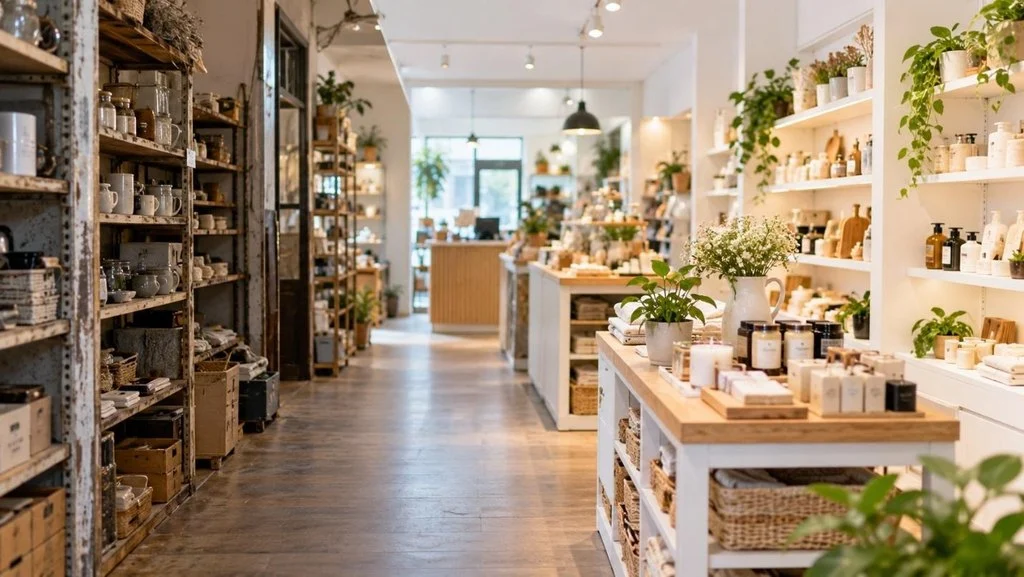
Giving your retail store a fresh appearance doesn’t always require a major renovation or an expensive fit-out. Sometimes, small changes to your layout, shelving, lighting and product displays can make your space feel more modern and welcoming.
For independent retailers and small businesses, a complete renovation can mean significant expenses, temporary closures and disruptions to everyday operations. Fortunately, there are practical ways to improve your store without rebuilding it from the ground up.
Whether you’re managing a convenience store, boutique, supermarket or speciality shop, these straightforward improvements can help you create a better shopping environment while keeping costs under control.
1. Start by Identifying What Needs Improvement
Before purchasing new fixtures or making changes, spend some time evaluating your store from a customer’s perspective.
Walk through the entrance, browse different sections and approach the checkout as though you’re visiting for the first time. Pay attention to areas that feel crowded, poorly lit or difficult to navigate.
Look for common problems such as:
- Products that are difficult to see or reach.
- Shelves that appear cluttered or disorganised.
- Narrow aisles or awkwardly positioned displays.
- Outdated signage that no longer reflects your branding.
- Empty spaces that could serve a more useful purpose.
Ask your staff which areas customers frequently struggle with. Their everyday observations may reveal problems that aren’t immediately obvious.
Once you’ve identified the biggest issues, prioritise improvements that will make shopping easier rather than simply changing the store’s appearance.
2. Rearrange Your Shelving and Product Displays
Shelving plays an important role in how customers experience your store. Even when the products remain unchanged, reorganising displays can make the space appear cleaner, more spacious and easier to shop.
Start by reviewing your existing shelving arrangements. Consider whether certain fixtures could be repositioned to open up aisles, improve product visibility or make better use of available wall space.
You don’t necessarily need to replace every shelf. Adjustable and modular systems can accommodate changes to product ranges without extensive alterations to the store.
For retailers considering practical upgrades, Mills Shelving provides retail shelving and shop fittings designed to help businesses organise merchandise and make better use of their available floor space.
Gondola shelving, for example, can be particularly useful in supermarkets, convenience stores and other retail environments where products need to remain accessible from multiple directions.
According to Neil Webster, CEO of Mills Shelving, retailers should consider how effectively their existing fixtures support everyday shopping before committing to a major store renovation. A layout that worked when the business first opened may no longer suit its current product range or customer needs. Repositioning displays, improving product visibility and choosing adaptable shelving can help retailers create a more functional environment while avoiding unnecessary structural changes. The priority should be making the existing space work harder, rather than replacing everything at once.
3. Improve Your Store Lighting
Lighting is one of the simplest elements to update when refreshing a retail environment.
Poor lighting can make products difficult to inspect and leave parts of the store looking dull. In contrast, well-positioned lighting helps customers see merchandise clearly and creates a more inviting atmosphere.
Start by replacing damaged or inconsistent light fittings. Where appropriate, consider energy-efficient LED lighting, which can provide consistent illumination while reducing electricity consumption compared with older, less efficient systems.
You can also use targeted lighting to highlight particular displays, promotional areas or featured products.
LED shelf lighting can be especially useful for merchandise displayed in cabinets or on shelving where overhead lights don’t provide sufficient visibility.
However, brighter isn’t always better. Avoid excessive glare, harsh contrasts and lighting that creates uncomfortable reflections.
A balanced approach can improve the overall appearance of your shop without requiring significant electrical or structural work.
4. Refresh Your Signage and Promotional Materials
Outdated signs can make an otherwise well-maintained store feel neglected.
Fortunately, replacing promotional materials and updating signage is usually much easier than changing permanent fixtures.
Begin with your main entrance, product category signs and promotional displays. Make sure customers can quickly understand where products are located and which offers are available.
Use consistent colours, readable fonts and clear messaging that match your store’s identity.
For seasonal promotions, don’t be afraid to introduce a little personality. Light-hearted messages can make displays more memorable, particularly when they suit your brand and customers.
If you’re looking for inspiration, Puncafe’s collection of creative sale puns and promotional captions offers playful wording ideas that can be adapted for retail posters, seasonal displays and marketing materials.
Remember that effective signage should help customers rather than overwhelm them. Too many promotional messages competing for attention can make displays confusing.
Focus on keeping information relevant, visible and easy to understand.
5. Reorganise Products to Make Shopping Easier
A store refresh isn’t just about appearance. It’s also an opportunity to improve how customers discover and select products.
Start by grouping related merchandise together. Products that naturally complement each other should be positioned close enough to make comparison and selection convenient.
For example, a convenience store might display snacks near complementary beverages, while a hardware retailer could group frequently purchased accessories alongside related tools.
Consider placing everyday essentials in consistent, easy-to-find locations and using prominent displays for seasonal or featured merchandise.
Pay attention to shelf heights, product labels and spacing. Overcrowded displays can make it difficult for customers to distinguish between different items.
Experience supplying shop fittings to Australian retailers highlights an important practical consideration: retail displays need to accommodate changing product ranges, not just look attractive when first installed. Adjustable shelving can make these changes easier without requiring retailers to repeatedly purchase new fixtures.
A well-organised store can also simplify restocking and help employees maintain consistent displays throughout the trading day.
6. Give Your Store a Fresh Look With Simple Cosmetic Updates
Sometimes, the most noticeable improvements come from addressing minor signs of wear and tear.
Scuffed walls, chipped paint, damaged fixtures and worn display surfaces can gradually affect how customers perceive your store.
A fresh coat of paint can make a substantial visual difference, particularly around entrances, checkout counters and other high-visibility areas.
Choose colours that complement your existing branding rather than introducing an entirely new design scheme.
Other affordable improvements include cleaning display fixtures, replacing damaged shelf labels, refreshing window displays and repairing minor decorative finishes.
Where possible, reuse fixtures that remain structurally sound and functional.
Consistency is particularly important. A store with clean surfaces, coordinated colours and well-maintained displays often appears more polished than one with expensive but mismatched fittings.
The goal is to create a cohesive environment without spending money on changes that provide little practical benefit.
7. Improve Customer Flow and Accessibility
A good retail layout should make it easy for customers to move through the store without unnecessary obstacles.
Review your aisles, display positions and checkout area to identify potential bottlenecks.
Freestanding promotional stands, stock boxes and poorly positioned fixtures can make pathways feel cramped, particularly during busy periods.
Where possible, maintain clear routes between major product categories and ensure customers using mobility aids or pushing prams can navigate the store comfortably.
Safety should also be part of any layout refresh.
Safe Work Australia identifies slips, trips and falls as workplace hazards and recommends appropriate housekeeping, maintained flooring and the management of obstacles and other risks.
Before moving shelving or introducing new displays, consider the stability of fixtures, safe access to merchandise, emergency exits and applicable accessibility requirements.
Improving customer flow doesn’t necessarily mean creating more empty floor space. It’s about using the available area intelligently so that displays, customers and employees can function comfortably together.
8. Make Improvements Gradually to Control Costs
Refreshing your entire store at once can quickly become expensive, even when you’re not undertaking a full renovation.
A more manageable approach is to divide the project into smaller stages.
Begin with changes that address immediate problems, such as cluttered aisles, damaged displays or inadequate lighting.
Next, consider improvements that would make the store easier to maintain or adapt over time.
For example, replacing a few inflexible shelving units with adjustable alternatives may be more practical than purchasing an entirely new display system.
Mills Shelving recommends considering long-term flexibility when choosing shop fittings, particularly for retailers that regularly update product ranges or promotional displays.
Schedule disruptive changes outside peak trading periods where possible. Moving fixtures or repainting selected areas after closing can minimise interruptions to customers and employees.
It’s also worth assessing the results of each improvement before proceeding with the next stage.
Observe whether customers can find products more easily, whether staff can restock efficiently and whether displays remain organised during busy periods.
These observations can help you decide where future spending will deliver the greatest practical benefit.
Conclusion: Small Changes Can Make a Big Difference
A complete renovation isn’t always necessary to give your retail store a fresh appearance.
Rearranging shelving, improving lighting, updating signage and reorganising merchandise can make an existing space more attractive and functional without extensive construction work.
The most effective improvements begin with understanding how customers use your store and identifying which changes will genuinely make their experience better.
By focusing on practical upgrades and completing improvements gradually, retailers can create a more welcoming shopping environment while managing costs and minimising disruption.
Ultimately, refreshing a retail store isn’t about changing everything. It’s about making better use of what you already have.
