
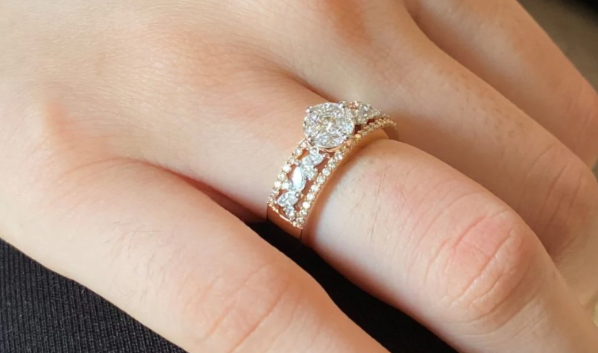
A diamond may look beautiful at first glance, but beauty alone does not explain its selling price. When an owner decides to sell a diamond ring, pendant, bracelet, pair of earrings, or loose stone, the value is usually examined through a more structured lens. This is where the 4Cs become important.
Carat, cut, color, and clarity are not just technical terms used by jewelers. They help create a shared language between sellers, buyers, and evaluators. A seller who understands these four factors can better understand why a diamond receives a certain offer, why two similar-looking stones may be priced differently, and why the original purchase price does not always reflect resale value.
The 4Cs do not work separately. They influence one another, and their combined effect often determines how attractive a diamond is in the secondary market. For anyone preparing to sell, knowing how these factors shape value can make the process clearer, more realistic, and more transparent.
Carat Weight Sets the Starting Point, Not the Final Price
Carat weight is often the first detail people mention when describing a diamond. A one-carat diamond, a two-carat diamond, or a larger stone can immediately create an impression of value. Size matters because larger diamonds are generally rarer than smaller ones, and rarity can influence price.
However, carat weight alone does not guarantee a strong selling offer. A larger diamond with weak cut quality, noticeable inclusions, or a less desirable color grade may not command the price the owner expects. On the other hand, a smaller diamond with excellent balance across the other Cs may attract more serious interest.
This is a common point of confusion for sellers. Many remember the size of the diamond more clearly than its grading details. Yet buyers usually evaluate the whole stone, not just the number on the certificate. Carat weight may open the conversation, but the final offer depends on whether the diamond’s other qualities support that weight.
Cut Quality Affects How the Diamond Performs in Real Life
Cut is one of the most important factors because it determines how a diamond handles light. A well-cut diamond can appear bright, lively, and balanced. A poorly cut diamond may look flat or less brilliant, even if it has good carat weight and acceptable color.
For sellers, cut can be the difference between a diamond that looks impressive only on paper and one that performs beautifully in person. Buyers often consider proportions, symmetry, polish, and overall light return. These details influence how attractive the diamond appears when viewed from different angles.
Cut is especially important for round brilliant diamonds, where grading systems are more standardized. For fancy shapes such as oval, emerald, cushion, pear, or marquise, cut evaluation can involve more visual judgment. The outline, depth, table, and overall shape appeal can all influence buyer confidence.
A diamond with strong cut quality may receive better attention because it feels more desirable to the next buyer. This is why sellers should not underestimate cut when reviewing an offer. Brilliance is not only a visual feature; it can directly affect market appeal.
Color and Clarity Shape Buyer Confidence
Color and clarity often influence how comfortable a buyer feels about the diamond’s resale potential. In white diamonds, color is usually graded by how close the stone appears to being colorless. Even slight differences can affect value, especially in higher-quality stones or larger diamonds where color may be easier to notice.
Clarity refers to internal and external characteristics, such as inclusions or blemishes. Some clarity features are difficult to see without magnification, while others may be visible to the naked eye. The position, size, and type of inclusion can matter as much as the grade itself. An inclusion near the edge may be less concerning than one located directly under the table.
This is why two diamonds with the same clarity grade may not be valued exactly the same way. Buyers look at how the characteristics affect appearance, durability, and resale confidence. A stone that appears clean in normal viewing conditions may be easier to sell than one with distracting marks, even if the grade label seems similar.
Color and clarity also interact with shape and setting. Certain shapes reveal color more easily, while others can hide inclusions better. A seller who understands this can better interpret why an evaluator may place more or less weight on these details.
The 4Cs Become Stronger When Supported by Documentation
The 4Cs are most useful when they are supported by reliable documentation. A recognized grading report helps confirm the diamond’s characteristics and reduces uncertainty during evaluation. Without documentation, a buyer may need to estimate the grades, which can lead to a more conservative offer.
A certificate does not automatically create a high selling price, but it gives structure to the discussion. It allows both sides to refer to the same details rather than relying only on opinion. For sellers, this can make the offer easier to understand. For buyers, it reduces the risk of misjudging the diamond.
When reviewing a potential sale, many owners find it helpful to understand how a diamond selling price based on the 4Cs is formed in real market conditions, rather than looking at carat weight or appearance alone. This perspective helps connect the technical grades with the practical question every seller wants answered: what is the diamond truly worth today?
Documentation also matters for jewelry pieces such as engagement rings, pendants, bracelets, and earrings. If the diamond has a certificate, the stone can often be evaluated more confidently. If it does not, the setting, metal, condition, and visual assessment may play a larger role in the buyer’s offer.
Conclusion
The 4Cs play a central role in helping diamond sellers understand whether an offer is fair. Carat weight may attract attention first, but cut, color, and clarity determine much of the diamond’s real desirability. Together, these factors shape how a buyer views the stone, how confidently it can be valued, and how easily it may be resold.
A fair diamond selling price is rarely based on one feature. It comes from the combined story of size, beauty, grade quality, documentation, condition, and market demand. Sellers who understand this are less likely to feel confused when offers differ, because they can see which details are influencing the number.
Before accepting an offer, it is worth looking beyond the surface. A diamond’s value is not only in how it looks in a jewelry box, but in how its qualities are measured, explained, and trusted in the marketplace. When the 4Cs are clearly understood, the selling process becomes more transparent, and the seller is in a better position to make a confident decision.
