
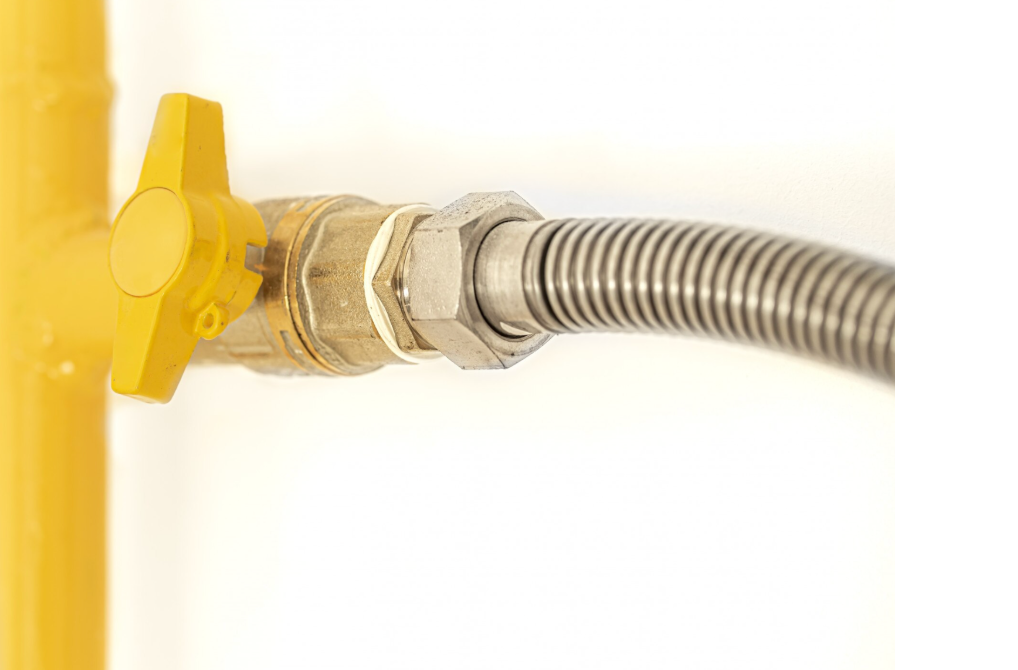
Gas bayonet fittings offer a practical method for connecting gas-powered appliances to a property’s gas supply. They are commonly used with portable heaters, cookers, and other household equipment that may need to be moved or disconnected from time to time. The fitting consists of a wall-mounted socket and a flexible hose attached to the appliance. Through a simple twist-and-lock connection, the appliance can be connected securely without requiring complicated tools each time it is used. Professional gas bayonet fitting installation helps ensure the connection remains safe, reliable, and compliant with safety standards.
Many homeowners appreciate the convenience these fittings provide. The connection remains firm during operation, yet the appliance can be detached quickly when cleaning, repositioning, servicing, or storing it. This combination of convenience and reliability has made gas bayonet fittings a popular feature in many residential properties.
Why Correct Installation Matters
Gas systems require careful handling at every stage of installation. A poorly fitted connection can create risks that affect both property and occupants. Gas leaks can lead to fire hazards, health concerns, property damage, and costly repairs. For this reason, every component must be fitted accurately and tested thoroughly before the appliance is placed into service.
A properly installed bayonet fitting supports efficient gas flow and stable appliance performance. It reduces the likelihood of connection failures and helps maintain compliance with local safety standards. Property owners who invest in correct installation gain greater confidence that their gas appliances will operate safely for years to come.
The Value of Professional Expertise
Licensed gas fitters and qualified plumbing professionals possess the training required to work safely with gas systems. Their knowledge extends beyond connecting fittings and hoses. They understand gas pressure requirements, pipe sizing, appliance specifications, ventilation requirements, and regulatory obligations.
Professional installation reduces the risk of mistakes that may not be obvious to an untrained individual. A connection may appear secure on the surface, yet still contain defects capable of causing future problems. Qualified installers conduct detailed testing and inspections to identify hidden issues before they become serious concerns.
Professional services may represent an upfront expense, though they often prevent much larger costs associated with repairs, emergency call-outs, or property damage arising from faulty installations.
Equipment Used During Installation
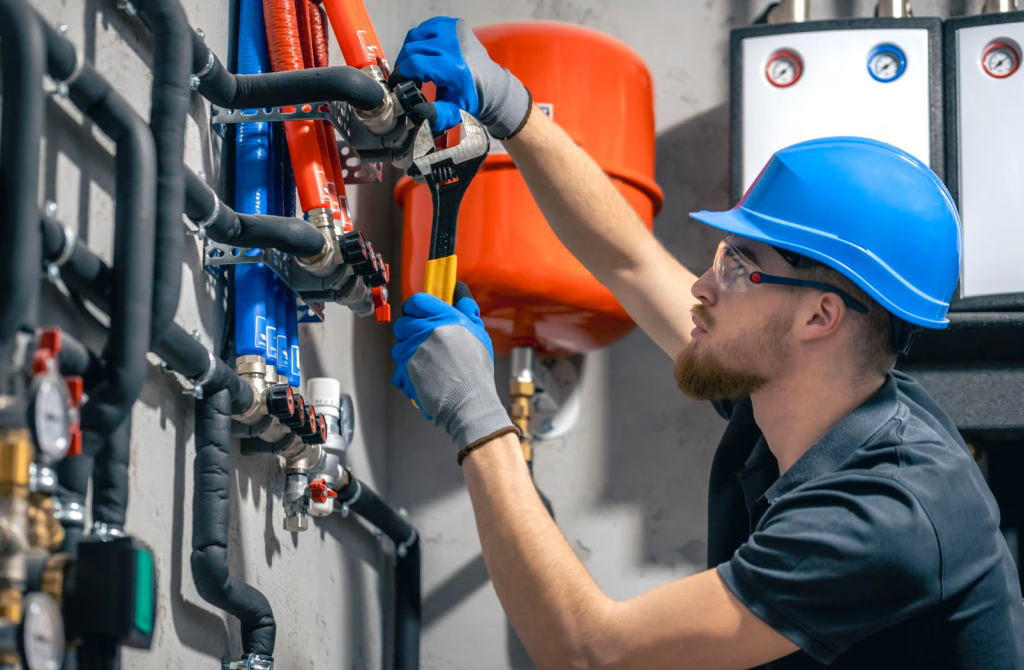
A safe installation requires suitable tools and approved materials. Gas professionals typically select components that meet industry standards and match the requirements of the appliance being connected. Commonly used items include gas pipes, approved bayonet hoses, connectors, adjustable wrenches, leak-testing solutions, measuring tools, and drilling equipment.
Protective equipment forms another part of the process. Safety glasses and gloves help reduce the risk of injury during installation work. Using appropriate equipment allows installers to achieve accurate measurements, secure connections, and reliable testing outcomes.
The Installation Process
Every installation begins with shutting off the gas supply. This precaution removes the possibility of gas flow during the fitting process and creates a safer working environment. Once the supply has been isolated, the installer evaluates the proposed location for the bayonet fitting.
The selected position should provide convenient access for the appliance and sufficient clearance around the connection point. Appliance manufacturer recommendations often guide placement and spacing requirements. Proper positioning contributes to both safety and day-to-day usability.
After the location has been determined, the bayonet socket is mounted securely to the wall or floor surface. Stability is a key requirement, as movement or looseness can place strain on connected components over time. The installer then connects the gas supply pipe to the fitting using approved connectors and tightening methods.
Following installation of the fitting, leak testing takes place. A specialised leak-detection solution is applied around all joints and connection points. The gas supply is restored gradually, allowing the installer to observe the fittings for signs of escaping gas. Any indication of leakage requires immediate correction before the system proceeds to the next stage.
Once testing confirms the integrity of the connection, the appliance hose is attached using the bayonet mechanism. The connection locks firmly into place, creating a secure link between the appliance and the gas supply.
Ongoing Maintenance and Safety Checks
A gas bayonet fitting should not be viewed as a fit-and-forget component. Regular inspections help maintain safe operation throughout its service life. Over time, hoses may deteriorate, seals may wear, and environmental factors may affect exposed components.
Routine inspections can identify signs of corrosion, cracking, physical damage, or loose fittings. Early detection allows repairs or replacements to be completed before a minor issue develops into a larger problem. Professional servicing provides an added layer of protection by examining parts that may be overlooked during casual visual checks.
Property occupants should remain attentive to unusual gas odours near appliances or fittings. Any unexplained smell may indicate a leak and should be treated seriously. Immediate action can help prevent dangerous situations from escalating.
Compliance With Safety Regulations
Gas installation work is subject to strict regulations designed to protect both occupants and properties. These requirements cover installation methods, approved materials, testing procedures, and certification standards. Compliance supports safe operation and helps maintain insurance and legal obligations.
Qualified gas fitters remain familiar with current regulations and industry standards. Their involvement helps verify that installations satisfy applicable requirements. Property owners who rely on licensed professionals gain reassurance that the completed work aligns with recognised safety practices.
Benefits of Gas Bayonet Fittings
One of the main advantages of a gas bayonet fitting is flexibility. Appliances can be repositioned or disconnected without major effort, making cleaning and maintenance more convenient. The locking mechanism provides a dependable connection that remains secure during normal use.
The design offers practical benefits during servicing or emergencies. An appliance can be disconnected quickly when required, reducing downtime and improving accessibility. These features contribute to the widespread use of bayonet fittings in residential environments where convenience and safety are both valued.
Common Problems and Practical Responses
Like any component within a gas system, bayonet fittings can experience wear over time. Damaged hoses, loose connections, ageing seals, and poor installation practices are among the most common causes of problems. Regular maintenance significantly lowers the likelihood of these issues developing unnoticed.
If a gas odour is detected, occupants should shut off the gas supply and increase ventilation by opening doors and windows. Sources of ignition should be avoided until the cause has been identified and resolved by a qualified professional. Taking swift action can help protect both people and property from harm.
Conclusion
Gas bayonet fittings provide a reliable and convenient method for connecting household gas appliances. Their effectiveness relies heavily on correct installation, careful testing, and regular maintenance. Professional installation services help minimise risks and support compliance with applicable safety standards. With ongoing inspections and responsible use, gas bayonet fittings can deliver long-term performance, practical flexibility, and greater confidence in the safety of a home’s gas appliances.
