
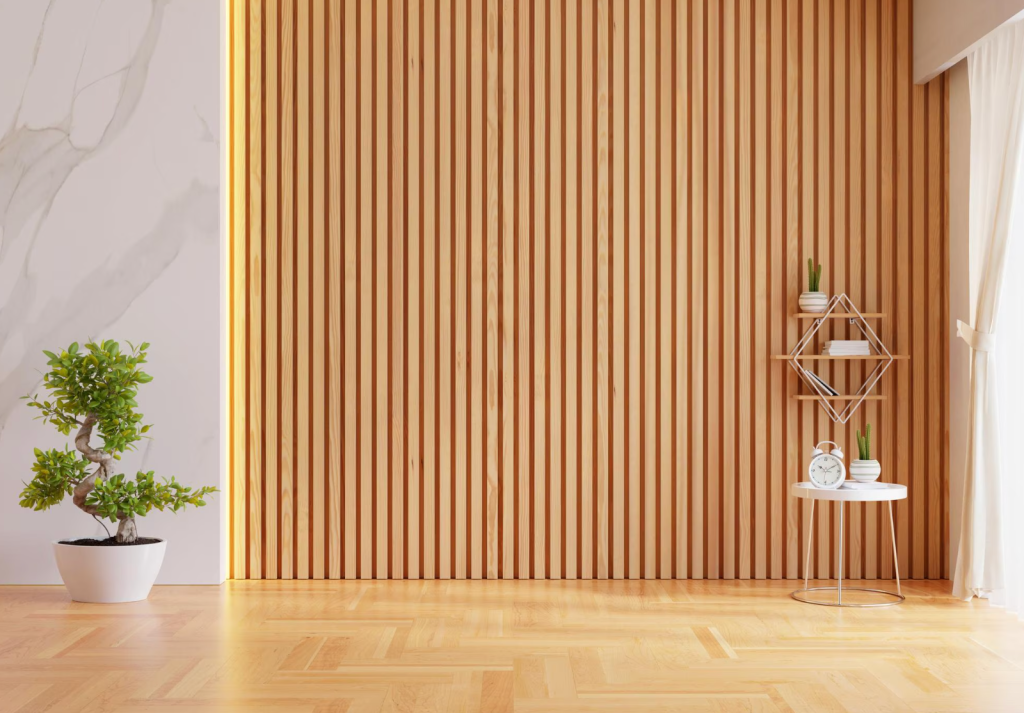
Wooden wall panels have regained attention in modern interior design, bringing a sense of comfort and visual depth into residential and commercial spaces. Interior layouts that once relied heavily on plain painted walls are now incorporating timber finishes to create richer surroundings with greater character. Many homeowners and designers prefer wooden wall panels because they add warmth, texture, and a natural aesthetic that complements different interior themes. This renewed interest reflects a wider appreciation for natural materials and timeless craftsmanship. Wooden panels adapt easily to many design preferences, ranging from clean contemporary interiors to country-inspired homes with a softer and more traditional appearance. Their adaptability allows designers and property owners to shape interiors that feel refined without appearing overly decorative.
Popular Styles Used in Modern Interiors
Different panel styles create distinct visual effects, giving designers freedom to shape the atmosphere of a room through texture, pattern, and proportion. Shiplap panels remain popular in homes inspired by coastal and farmhouse aesthetics. Their horizontal arrangement creates clean lines that can make smaller rooms feel more open and relaxed. Wainscoting introduces a more structured appearance by covering the lower section of walls with framed wooden detailing. Dining rooms, corridors, and formal living spaces often benefit from this arrangement, which adds balance without overwhelming the room.
Board and batten panels produce a more pronounced visual pattern through vertical strips placed across wider boards. This approach introduces depth and dimension, making walls appear taller and more architectural. Beadboard panels offer a softer decorative finish through evenly spaced grooves that create subtle texture across the surface. Kitchens, bathrooms, and reading corners often use beadboard to introduce warmth without excessive ornamentation. Each panel style contributes differently to the mood of a space, allowing interiors to appear either relaxed, formal, rustic, or contemporary.
Visual Warmth and Character
Wooden wall panels bring a level of warmth that painted plaster and concrete surfaces often lack. Natural grain patterns, tonal variation, and textured finishes create interiors that feel layered and inviting. Light-coloured woods contribute brightness and softness, whereas darker timber selections create a more dramatic and intimate atmosphere. Finishes ranging from matte to polished provide added flexibility for different interior themes.
The appeal of wood extends beyond appearance alone. Timber surfaces create a stronger sense of craftsmanship within a room, helping interiors feel more intentional and complete. Decorative panels can turn plain walls into focal points without relying heavily on artwork or oversized furnishings. This quality explains why wooden wall features continue to appear in hotels, offices, restaurants, and luxury residences seeking a more refined visual identity.
Practical Advantages Beyond Appearance
Wooden wall panels provide functional benefits that support comfort within indoor environments. Timber naturally contributes to insulation by reducing heat transfer through walls, helping rooms maintain a steadier indoor temperature. This quality can support energy efficiency in both homes and commercial buildings. Acoustic performance also improves through the use of wood, as timber surfaces absorb sound more effectively than many harder construction materials. Rooms fitted with wall panels often feel quieter and less echo-prone, making them suitable for lounges, meeting spaces, and entertainment areas.
Durability forms another reason for the continued popularity of wooden panels. Quality timber products can remain attractive for decades when cared for properly. Panels also shield underlying wall surfaces from marks, scratches, and general wear, helping interiors maintain a cleaner appearance over long periods of use. Minor damage, such as small dents or scratches, can often be repaired without replacing the entire installation, making wood a practical long-term investment.
Sustainability and Environmental Appeal
Growing awareness surrounding environmentally responsible construction has encouraged wider interest in timber-based interior materials. Sustainably harvested wood offers a renewable option that aligns with environmentally conscious building practices. Timber stores carbon throughout its lifespan, making it more environmentally favourable than certain synthetic alternatives. Many manufacturers now produce wall panels sourced from certified forests, giving buyers greater confidence regarding responsible production methods.
Reclaimed wood has gained popularity within modern interiors as another environmentally mindful option. Reusing timber from older buildings or furniture introduces texture and history into a space without requiring newly harvested material. This approach creates unique wall finishes with distinctive grain markings, weathered textures, and tonal variation that cannot be replicated easily through manufactured surfaces.
Installation and Ongoing Care
Successful installation relies heavily on preparation and accurate measurements. Walls require proper levelling before panels are fitted, allowing the finished surface to appear aligned and seamless. Installation methods vary according to panel style and material thickness, with adhesives, nails, and concealed fasteners commonly used across residential and commercial projects. Professional workmanship often produces cleaner joints and more durable results, particularly for complex layouts or custom designs.
Maintenance remains relatively manageable compared with many decorative wall treatments. Dusting and occasional polishing help preserve the appearance of finished timber surfaces. Protective coatings can reduce the likelihood of stains and moisture absorption, extending the lifespan of the panels. Areas exposed to high humidity may require additional sealing to reduce expansion or contraction caused by moisture fluctuations. With consistent care, wooden wall panels maintain both their visual appeal and structural condition for many years.
Contemporary Design Directions
Modern interior design continues to reinterpret wooden wall panels through fresh combinations of materials, colours, and textures. Many contemporary spaces combine timber with metal accents, concrete finishes, or natural stone surfaces to create visual contrast and architectural depth. Industrial-style interiors often use darker woods paired with black steel framing, whereas Scandinavian-inspired homes favour pale oak tones and minimalist detailing.
Painted timber panels have also gained popularity in recent years. Deep greens, charcoal tones, muted blues, and soft earth shades introduce personality without losing the texture associated with natural wood. Designers frequently combine multiple panel styles within a single room to create layered interiors with stronger visual movement. Vertical arrangements may appear alongside horizontal detailing, producing walls that feel architectural rather than flat and repetitive.
Challenges Linked to Wooden Panels
Wooden wall panels offer many strengths, though certain limitations remain. High-quality timber and custom installations can involve considerable expense, particularly when premium hardwoods or handcrafted detailing are selected. Costs vary according to wood species, finish, labour requirements, and wall dimensions.
Environmental conditions may also affect timber performance over time. Excess humidity, direct sunlight, and sharp temperature changes can lead to warping, expansion, or fading if panels are not sealed correctly. Proper climate control and suitable protective finishes reduce these risks significantly. Decorative flexibility can present another limitation, as heavily panelled walls may restrict the placement of mounted shelves, artwork, or large fixtures without damaging the surface.
Conclusion
Wooden wall panels continue to hold a respected place within modern interior design through their balance of beauty, durability, and practicality. Their historical roots provide timeless appeal, yet current design approaches allow them to suit contemporary interiors with ease. From subtle beadboard finishes to dramatic floor-to-ceiling installations, timber panels create spaces that feel warm, textured, and visually complete. Their combination of craftsmanship, functionality, and environmental appeal explains why wooden wall design remains highly regarded across both residential and commercial settings. As interior trends continue to evolve, wooden panels are likely to remain a defining feature in spaces seeking character, comfort, and enduring style.
