
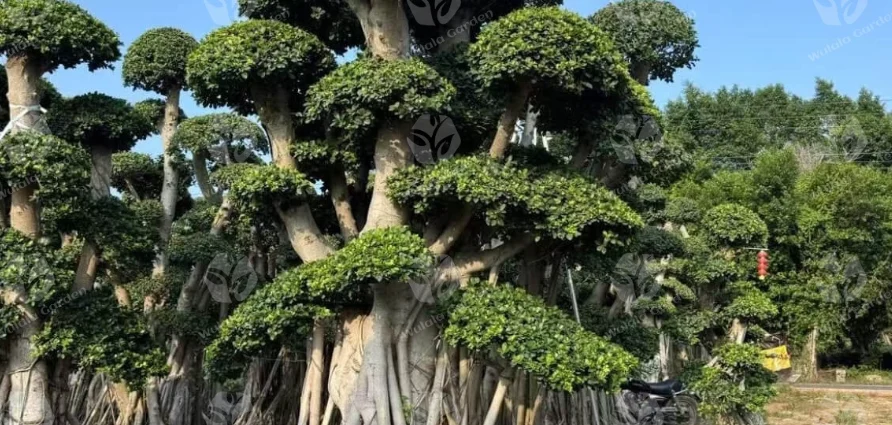
The Golden Trumpet Tree is a beautiful flowering tree known for its bright yellow, trumpet-shaped flowers and attractive green foliage. It adds color to gardens, parks, roadsides, and landscapes, making it a popular choice for people who want to create a vibrant outdoor environment. When the tree blooms, its golden flowers can cover much of its branches, creating an impressive natural display.
Whether you are planning to grow a Golden Trumpet Tree in your garden or simply want to learn more about this ornamental plant, understanding its growing conditions, care requirements, and benefits can help you get the best results. This complete guide explains everything you need to know about the Golden Trumpet Tree, from its characteristics and ideal growing environment to watering, pruning, and common problems.
What Is a Golden Trumpet Tree?
The Golden Trumpet Tree commonly refers to flowering trees in the genus Handroanthus, particularly Handroanthus chrysotrichus, which is known for its brilliant yellow blossoms. Some related species, including Handroanthus albus, are also associated with golden trumpet-shaped flowers. These trees belong to the Bignoniaceae family and are native to tropical and subtropical regions of the Americas.
One of the most recognizable features of the Golden Trumpet Tree is its large, funnel-shaped flowers. Depending on the species and growing conditions, the flowers may appear before new leaves develop, making the branches look almost completely covered in yellow blooms. This seasonal display makes the tree especially attractive in ornamental gardens and public landscapes.
Golden Trumpet Trees can vary in height and shape depending on the species, climate, and cultivation conditions. Many varieties grow into small or medium-sized trees with spreading branches and a rounded crown. Their leaves are generally green and may consist of several leaflets arranged along a central stem.
Although the tree is often grown for its flowers, it can also provide shade and contribute to the overall beauty of a landscape. Before planting one, it is important to identify the particular species because its mature size, cold tolerance, and flowering season may vary.
Ideal Growing Conditions for a Golden Trumpet Tree
Choosing the right location is essential for growing a healthy Golden Trumpet Tree. Like many tropical and subtropical flowering trees, it generally performs best in warm conditions with plenty of sunlight.
Sunlight: Full sun is usually ideal for encouraging vigorous growth and abundant flowering. Choose a location that receives around six or more hours of direct sunlight daily. Trees grown in heavily shaded areas may develop weaker growth and produce fewer flowers.
Soil: Golden Trumpet Trees generally prefer well-draining soil. Sandy loam or fertile garden soil that allows excess water to drain away can support healthy root development. Poorly drained soil may increase the risk of root problems, particularly during periods of frequent rainfall.
Temperature: Warm weather encourages active growth. Some species tolerate brief periods of cooler temperatures better than others, but prolonged frost can damage young trees and sensitive varieties. In cooler climates, planting in a sheltered position may improve their chances of thriving.
Space: Consider the tree’s expected mature height and canopy width before planting. Give it sufficient room to grow without interfering with buildings, pathways, underground utilities, or overhead power lines.
Planting time: Planting during a mild, warm period with reliable moisture can help the tree establish its roots. In climates with distinct rainy and dry seasons, the beginning of the rainy season may be suitable, provided the soil drains well.
Preparing the planting area properly and selecting a location that meets these requirements can make long-term maintenance much easier.
How to Plant and Care for a Golden Trumpet Tree
Proper planting and consistent care help a Golden Trumpet Tree establish itself and develop a strong structure. Although established trees may tolerate some dry conditions, young plants benefit from regular attention.
Planting: Dig a hole that is approximately twice as wide as the root ball but no deeper than its existing root system. Position the tree so the root flare remains at or slightly above the surrounding soil level. Refill the hole with the original soil, gently firm it, and water thoroughly.
Avoid planting the tree too deeply, as this can restrict healthy root development. A layer of organic mulch around the base can help retain moisture and reduce weed growth. Keep the mulch a few inches away from the trunk to prevent excess moisture from accumulating against the bark.
Watering: Water newly planted trees regularly while their roots establish. The exact frequency depends on temperature, rainfall, soil type, and drainage. Check the soil before watering and provide moisture when the upper portion begins to dry. Avoid keeping the roots constantly saturated.
Once established, many Golden Trumpet Trees can tolerate short dry periods, although prolonged drought may reduce growth and flowering. During hot weather, monitor young trees carefully and adjust watering according to their needs.
Fertilizing: A tree growing in reasonably fertile soil may not require frequent fertilizer applications. If growth is weak and a soil test indicates a nutrient deficiency, use an appropriate balanced fertilizer according to its label. Avoid excessive nitrogen because it may encourage leafy growth at the expense of flowers.
Pruning: Prune damaged, diseased, or crossing branches to maintain a healthy structure. Light pruning can improve the tree’s shape, but heavy pruning should be avoided unless necessary. The best pruning time depends on the species and local growing conditions. Whenever possible, prune after flowering if doing so will not interfere with the tree’s natural growth cycle.
Pest monitoring: Inspect the leaves, stems, and branches periodically. Early detection of pests, leaf damage, or unusual discoloration can prevent minor issues from becoming more serious.
Golden Trumpet Tree Benefits and Landscaping Uses
The Golden Trumpet Tree offers several advantages that make it a valuable addition to suitable landscapes. Its most obvious benefit is its striking appearance, but it can also support a more diverse and attractive outdoor environment.
Ornamental beauty: Bright yellow flowers create a strong visual contrast against green foliage and surrounding plants. The tree works well as a focal point in home gardens, courtyards, parks, and landscaped commercial properties.
Shade and structure: Depending on the species and its mature size, the tree can provide partial shade and help define outdoor spaces. It may be planted in lawns, open gardens, or larger landscape designs where there is enough room for its canopy.
Pollinator attraction: The flowers may attract bees and other flower-visiting insects. Providing flowering plants with different blooming periods can help create a more varied garden environment and support local pollinators.
Seasonal interest: Some Golden Trumpet Tree species produce particularly impressive displays when flowering occurs before or around the emergence of new leaves. This seasonal transformation makes the tree an attractive choice for landscapes that benefit from changing colors and textures throughout the year.
Landscape versatility: Golden Trumpet Trees can be incorporated into tropical, subtropical, and warm-climate garden designs. They can complement flowering shrubs, ground covers, and other ornamental trees when planted with suitable spacing.
However, these trees are not ideal for every location. Their sunlight requirements, mature size, and sensitivity to cold should be considered before planting. Choosing the right species for your climate is the best way to enjoy their beauty with fewer maintenance problems.
Common Golden Trumpet Tree Problems and Solutions
Even with good care, Golden Trumpet Tree may experience problems related to watering, environmental stress, pests, or unsuitable growing conditions. Recognizing the cause of a problem is more effective than treating symptoms without understanding them.
Yellowing leaves: Leaves may turn yellow because of overwatering, poor drainage, nutrient deficiencies, or natural seasonal changes. Check the soil moisture and drainage first. If the problem continues, consider testing the soil before applying fertilizer.
Limited flowering: A tree that produces plenty of leaves but few flowers may not receive enough sunlight. Excessive nitrogen fertilizer, immature age, unsuitable temperatures, and normal seasonal variation can also affect blooming. Ensure the tree receives adequate sunlight and avoid unnecessary fertilizer applications.
Leaf spots and damage: Discolored spots, holes, or damaged leaf edges may result from fungal diseases, insects, or environmental stress. Remove severely affected fallen leaves, avoid unnecessary wetting of the foliage, and maintain good airflow around the canopy. Use a suitable treatment only after identifying the likely cause.
Root problems: Waterlogged soil can damage roots and lead to declining growth. Improve drainage where possible and avoid watering according to a rigid schedule when the soil is already moist.
Cold damage: Frost may damage young shoots, leaves, and branches in sensitive species. Planting in a warm, sheltered position and protecting young trees during unusually cold weather can help reduce damage.
Regular observation, suitable watering, proper pruning, and appropriate planting conditions are the foundations of effective Golden Trumpet Tree care.
Frequently Asked Questions
What is a Golden Trumpet Tree?
A Golden Trumpet Tree is a flowering ornamental tree commonly associated with species of the genus Handroanthus. It is known for its bright yellow, trumpet-shaped flowers and is widely appreciated for its decorative value in warm-climate landscapes.
How fast does a Golden Trumpet Tree grow?
Its growth rate depends on the species, soil quality, sunlight, water availability, and climate. Under favorable conditions, a young tree may establish and grow steadily, but the time required to reach its mature size varies considerably.
How much sunlight does a Golden Trumpet Tree need?
Most Golden Trumpet Trees grow best in full sun, generally receiving around six or more hours of direct sunlight per day. Adequate sunlight helps support healthy growth and better flowering.
How often should I water a Golden Trumpet Tree?
Water newly planted trees regularly while their roots establish, allowing the soil to drain between waterings. Established trees may require less frequent irrigation, depending on rainfall, temperature, and soil conditions. Avoid keeping the soil waterlogged.
When does the Golden Trumpet Tree bloom?
The flowering season depends on the species and local climate. Many varieties produce their yellow flowers seasonally, often during warmer or drier periods, but the exact timing varies by location and weather conditions.
Conclusion
The Golden Trumpet Tree is an excellent choice for gardeners who want a flowering tree with vibrant yellow blossoms and attractive landscaping potential. Its colorful flowers, ability to provide shade in suitable settings, and value to flower-visiting insects make it a rewarding addition to warm-climate gardens.
For successful growth, choose a sunny location, provide well-draining soil, water carefully, and prune only when necessary. Monitoring the tree for pests, nutrient problems, and signs of environmental stress can also help maintain its health over time.
Before planting, identify the appropriate Golden Trumpet Tree species for your region and consider its mature size and climate requirements. With proper selection and consistent care, this beautiful tree can become a striking feature of your garden for many years.
