
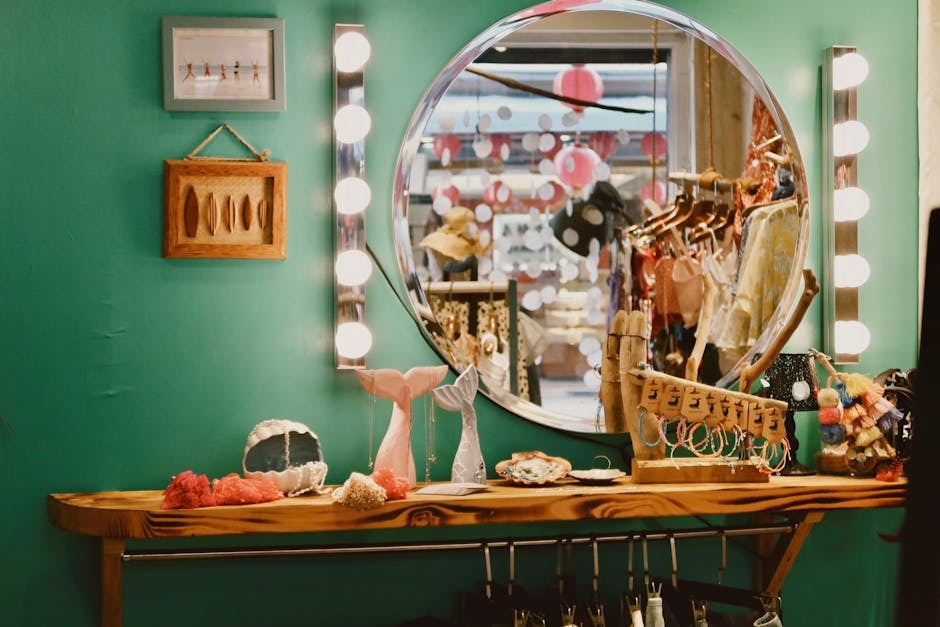
In the world of home furniture, dressing tables stand out as both functional and aesthetic components of a bedroom setup. A well-crafted piece like the HipVan dressing table can transform the chore of getting ready into a moment of personal reflection. This guide delves into the origins, evolution, and contemporary significance of dressing tables as pivotal pieces in modern interiors.
The Origins of Dressing Tables
Dressing tables, or vanity tables as they are sometimes called, have a rich history that dates back centuries. Originally, they were a symbol of luxury found in the homes of the affluent. Over time, they have evolved from elaborate, ornately carved pieces to more streamlined designs, reflecting shifts in fashion and function. The Victorian era saw dressing tables with intricate woodwork, while the mid-20th century introduced minimalist styles to accommodate smaller living spaces.
Design and Functionality
Modern dressing tables are designed with both style and practicality in mind. They often feature ample surface space and multiple storage solutions, making them ideal for organising personal effects. Common designs include drawers for cosmetics and jewellery, along with integrated mirrors. Some even incorporate innovative designs, such as fold-away mirrors or hidden compartments, offering sophistication while maintaining a compact footprint.
Materials and Construction
The materials used in construction vary significantly and often dictate the style and durability of the dressing table. Solid wood remains a classic choice due to its longevity and elegant appearance. However, materials like engineered wood, metal, and glass are increasingly popular, offering a contemporary edge and lower maintenance requirements. The choice of materials also influences the price point and suitability for different room decors.
Ergonomics and User Experience
Ergonomics plays a crucial role in the design of a dressing table. The height of the table and the chair must be considered to ensure comfortable use. Additionally, the layout of storage compartments should facilitate easy access to items. Thoughtful design can significantly enhance the user’s daily routine, making the morning rush less stressful.
Style Considerations for Modern Interiors
When selecting a dressing table, it’s important to consider how it complements the existing decor of the room. From rustic charm to modern minimalism, there is a dressing table style to suit every aesthetic preference.
Traditional and Antique Styles
Traditional dressing tables often feature rich wood tones, elaborate carvings, and vintage handles. These pieces are perfect for creating a classic, timeless look. Antique dressing tables, although more costly, provide a unique charm and history that can become the focal point of a bedroom.
Contemporary and Minimalist Styles
For those who favour a modern approach, contemporary dressing tables with sleek lines and minimal adornment offer a clean and uncluttered look. Materials such as glass and metal can be used to achieve a light and airy feel, making these styles popular in urban settings where space optimisation is key.
Customisation and Personalisation
Dressing tables offer a unique opportunity for customisation. Many manufacturers provide options for custom finishes, hardware, and even bespoke designs, allowing for personal expression and harmonisation with individual tastes. This trend towards personalisation reflects a broader shift in interior design towards creating spaces that are uniquely reflective of the homeowner’s personality.
The Role of Dressing Tables in Personal Grooming
Beyond their aesthetic contributions, dressing tables play a pivotal role in personal grooming routines. They provide a dedicated space for beauty and skincare products, ensuring that everything from moisturisers to make-up is within easy reach.
Organisational Solutions
An organised dressing table can greatly enhance efficiency and experience. Drawer dividers, jewellery trays, and tiered shelves can help manage space effectively. Meanwhile, innovative storage solutions, such as magnetic closures and rotating organisers, bring a level of convenience that simplifies daily grooming rituals.
Enhancing Beauty Routines
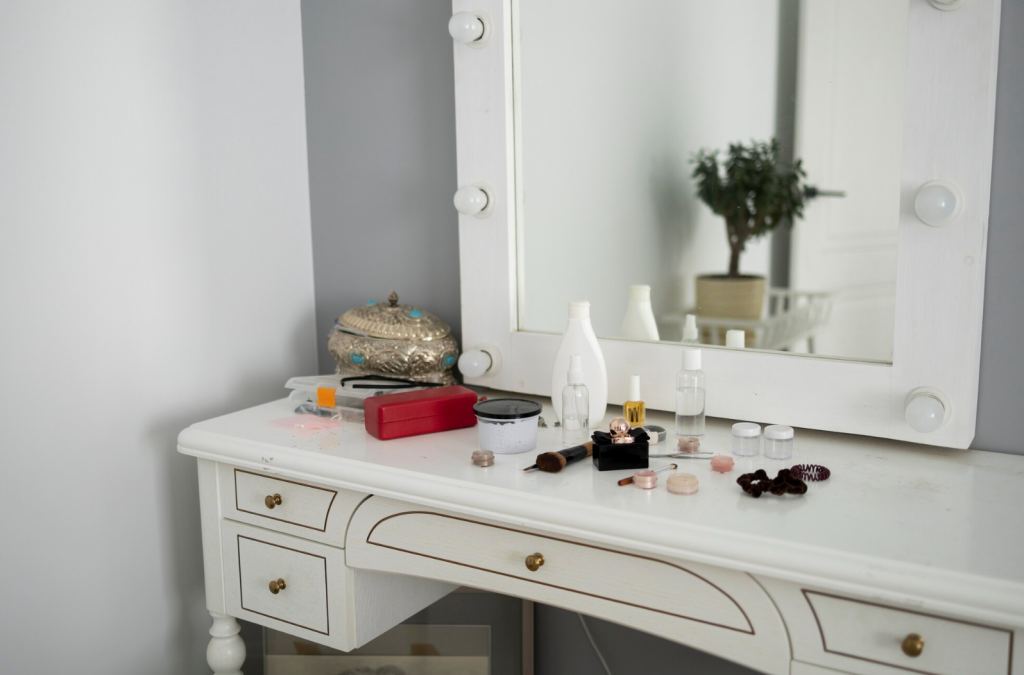
The integration of technology into dressing tables has introduced features like built-in lighting, which illuminates the face evenly for make-up application. Adjustable mirrors and magnifying options further aid precision tasks in the beauty routine, transforming the dressing table into a multifunctional beauty station.
Psychological and Personal Importance
Dressing tables hold a unique place in home furniture due to their personal nature. They serve as a private nook for morning and evening rituals, providing a sense of peace and privacy. This personal connection often makes them more than just a piece of furniture but rather part of an individual’s self-care routine.
A Personal Sanctuary
For many, the dressing table is a sanctuary—a place to unwind, reflect, and start or end the day positively. This space can foster mindfulness and self-care, encouraging individuals to take time for themselves, thus promoting mental well-being.
Sentimental Value and Legacy
Dressing tables often carry sentimental value, frequently passed down through generations as family heirlooms. Their use and presence in daily life create enduring emotional attachments. They are not just utilitarian objects but pieces imbued with stories and personal history.
Choosing the Right Dressing Table
Selecting the right dressing table requires a balance of practical needs and stylistic desires. Measurements are critical, as the table must fit comfortably within the designated space, complemented by appropriate seating that allows for the full use of the table’s features.
Consideration of Space
Assessing the available space is the first step in choosing a dressing table. Compact, corner designs are handy for smaller rooms, while expansive bedrooms might benefit from larger, more elaborate pieces.
Investment in Quality
In terms of financial investment, quality should be a consideration. Durable materials and craftsmanship ensure longevity, avoiding the need for frequent replacements. Hence, spending a little more on a high-quality piece can be seen as an investment in enduring style and function.
There’s no denying the enduring appeal of dressing tables in residential interiors. They provide an essential function in our daily routines while enhancing the aesthetic of our living spaces. With a myriad of styles, materials, and customisation options available, it’s easy to find a dressing table that not only meets practical needs but also expresses personal style. Embrace the potential of a well-chosen dressing table, appreciating its legacy and contribution to our modern living.
