
A pet robot is no longer a novelty reserved for tech expos. It has moved into living rooms, kitchens, and children’s bedrooms, and most families buying one are practical people with a specific goal: they want a companion device that adds warmth to the home without adding another screen to manage. That goal is reasonable, yet the market around it has become crowded and confusing. Two robots can look almost identical in a product video and behave nothing alike after a month of daily use.
Before you spend money, it helps to slow down and ask a few grounded questions about how the device will fit into your household: who will use it, where it will live, and what you expect from it on a Tuesday evening when everyone is tired. This guide covers the decisions that matter most, the features worth paying for, and the details that are easy to overlook until they start causing frustration weeks after the box is opened.
Start With the Job You Want It to Do
Most disappointment with a pet robot comes from a mismatch between the job people imagine and the job the device was built to perform. One family wants a gentle presence that keeps a child company after school. Another wants something that nudges an older parent to stay active and engaged. A third simply wants a conversation piece that makes the living room feel less quiet. These are different jobs, and they call for different strengths, so the first real step is honesty about which one describes you.
Write down your main reason before you compare models, because a feature that looks impressive in isolation can be irrelevant to your actual need. If you are searching for a pet robot that the whole family will share, prioritize ease of use over advanced capability: the best device is the one people reach for without thinking. If it is mainly for one person, pay closer attention to how it responds to that person’s habits, including voice, pace of speech, and preferred ways of interacting, because a companion that feels natural to one user can feel awkward to another.
A useful exercise is to list the moments during a typical day when you would actually use it. Morning routines, quiet afternoons, and evening wind-downs are common windows, and each one makes different demands. A device that shines during a leisurely afternoon may be clumsy when everyone is rushing out the door. If none of those windows exist in your household, the device may end up charging in a corner more often than it should. That is not a failure of the robot; it is a sign that the purchase was driven by curiosity rather than need. Curiosity is a legitimate reason to buy, but name it honestly so you judge the result fairly.
Check How It Handles Real Household Life
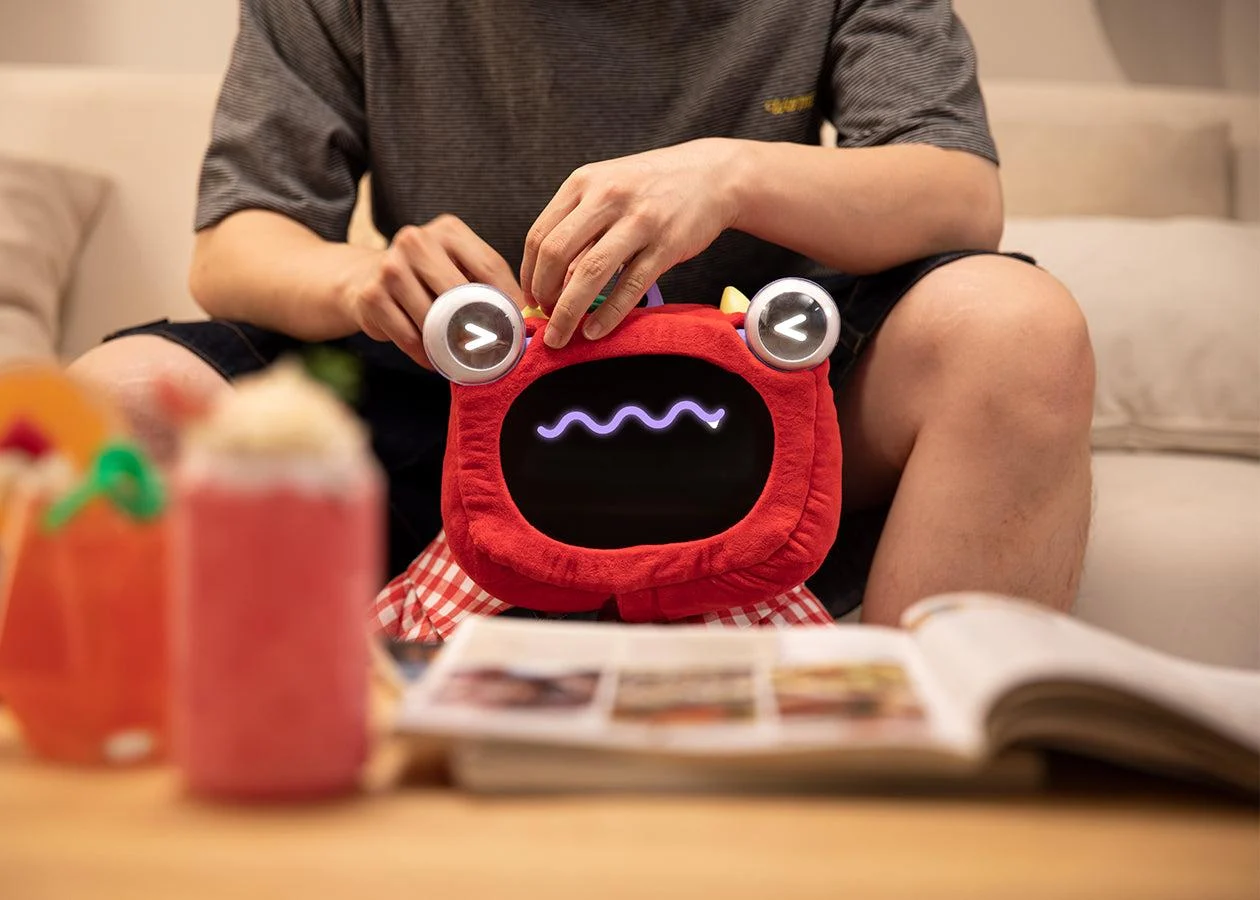
Product demos happen in clean, quiet rooms. Homes do not. Before committing, think about how the device will survive the noise of a busy kitchen, the curiosity of a toddler, and the company of an actual cat or dog. The answers usually live in the manual and in candid customer reviews rather than in marketing copy, and they are worth hunting down because they predict your first month of ownership better than any spec sheet.
Durability and Safety Around Kids and Pets
Look for rounded edges, stable footing, and a weight that resists being knocked over during enthusiastic play. Check whether moving parts are shielded and whether the surface materials are easy to wipe clean after sticky fingers or muddy paws get involved. If you have small children, read the age guidance carefully and treat it as a floor, not a ceiling. A device that needs constant supervision is not really a companion; it is another thing to watch, and that quickly drains the fun out of owning one. Many parents find that placing the robot in a shared space, rather than a child’s bedroom, keeps supervision simple and turns the device into something the family experiences together.
Connectivity, Updates, and Long-Term Support
A robot is a small computer with a body, which means its usefulness depends heavily on software. Ask how often the maker ships updates, what happens when the Wi-Fi drops mid-conversation, and whether core features keep working offline. Some manufacturers, Ollobot among them, design their companion robots around steady feature updates and simple recovery steps, which matters more than a long list of one-time tricks that lose their appeal after the first week. Support quality is hard to measure up front, so look at how quickly the company answers ordinary questions in public forums, and how it handles complaints from customers who are not influencers.
Battery life deserves the same scrutiny. A robot that needs charging every few hours is easy to forget about, and a forgotten robot is a robot that stops being part of the routine. Check how long a full charge lasts in normal use, how long the recharge takes, and whether the device can stay useful while plugged in. These small details decide whether the robot lives at the center of family life or drifts into a drawer.
Set Expectations for What It Can and Cannot Do
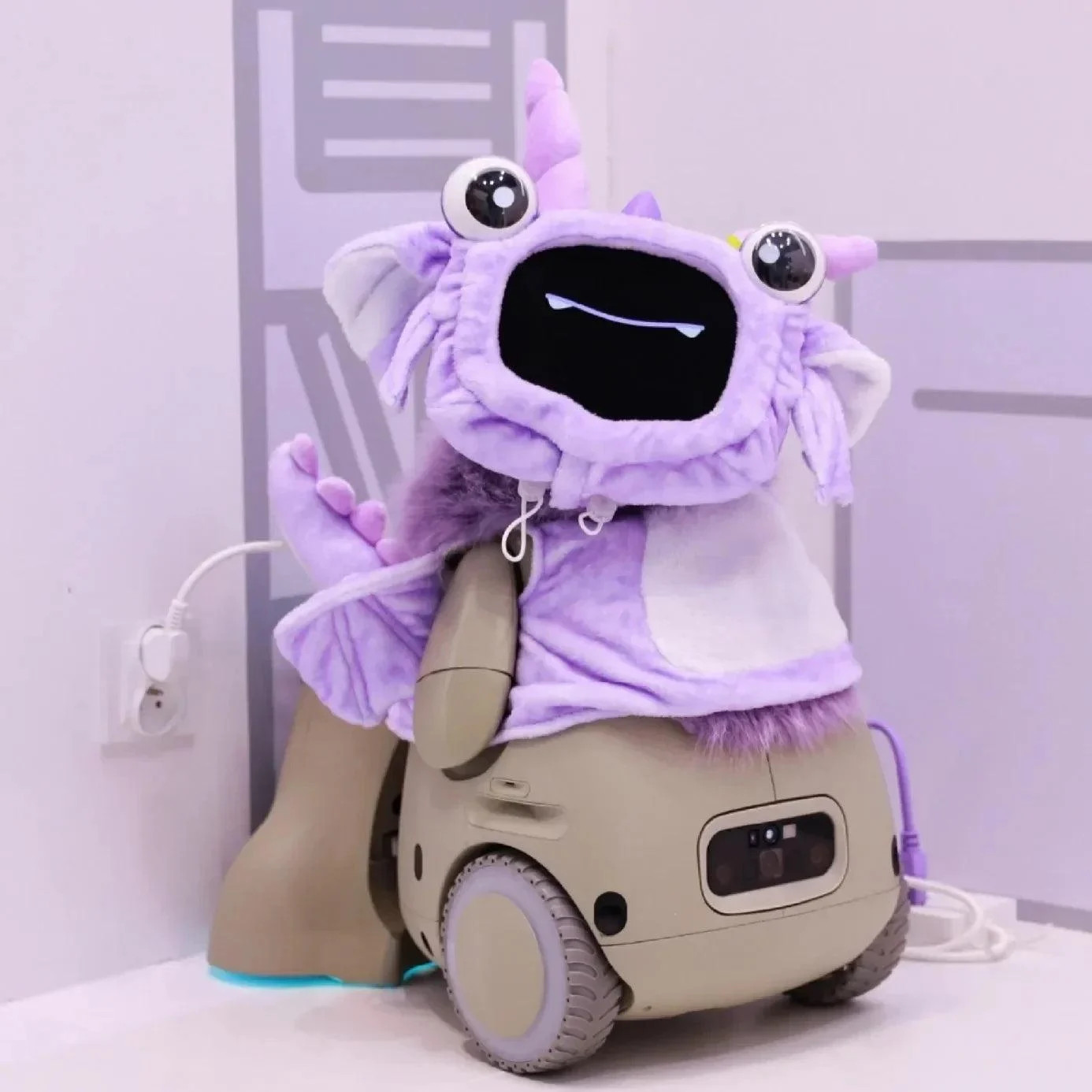
The most grounded buyers treat a pet robot as an interactive companion, not as a substitute for a person, a therapist, or a real animal. It can greet you, respond to touch and voice, follow simple routines, and give a room a sense of activity. It cannot read complex emotions reliably, cannot replace human contact, and cannot take responsibility for anyone’s wellbeing. Understanding that boundary before purchase prevents the slow disappointment that comes from expecting the device to fill a role it was never designed to fill.
That distinction is not a weakness; it is the key to enjoying the device. Families who expect warmth and light entertainment tend to be satisfied, because they are judging the robot against what it can genuinely offer. Families who expect the robot to solve loneliness on its own tend to be disappointed, because companionship is always a two-way arrangement and no device can carry that weight by itself. Plan to use the robot as a prompt and a shared point of interest rather than as a stand-in for attention you would otherwise give each other.
One more practical step: agree on house rules before the box arrives. Decide who is responsible for charging, where the device is allowed to roam, and how it should be treated. Shared expectations prevent the small conflicts that sour a purchase, and they help children learn to care for something without treating it as a toy to be abandoned. A short family conversation the day it arrives is worth more than a shelf full of features you never touch.
Weigh the Ongoing Cost of Ownership
The sticker price is only the first number. A pet robot is a connected device, so it may depend on a subscription for certain features, and those recurring charges pile up quietly over months. Read the terms carefully before you buy and ask which capabilities survive without an active plan. A device that becomes a shell the moment payments stop is a different product from one that keeps working on its own.
Repairs and replacements are the other hidden cost. Check the warranty length, what it covers, and whether the maker sells replacement parts for the pieces most likely to wear out, such as wheels, sensors, and battery packs. If a single damaged component means replacing the whole robot, factor that risk into your budget. Families with pets and young children should assume some wear and plan for it rather than be surprised by it.
Finally, think about resale and longevity. A well-supported device tends to hold its usefulness longer, and a device that gets frequent updates ages more gracefully than one abandoned after launch. These factors are hard to score on a comparison chart, but they shape how the purchase feels a year later, when the novelty has faded and only the practical value remains.
A Purchase That Fits Your Home, Not the Hype
The right pet robot for your family is rarely the one with the longest feature list. It is the one whose job matches your actual routines, whose body survives your actual household, and whose software the maker still supports long after launch. Get those three pieces right and the device becomes a pleasant part of daily life rather than a gadget that loses its charm by the second week. Get them wrong and no amount of clever design will save the purchase.
Spend your research time on the unglamorous questions: who will use it, where it will stand, and what you honestly expect. Answer those clearly and you will compare models with confidence instead of chasing whatever looks best on a screen. A thoughtful buyer who knows their own home will almost always end up happier than one who simply buys the most advertised option.
