
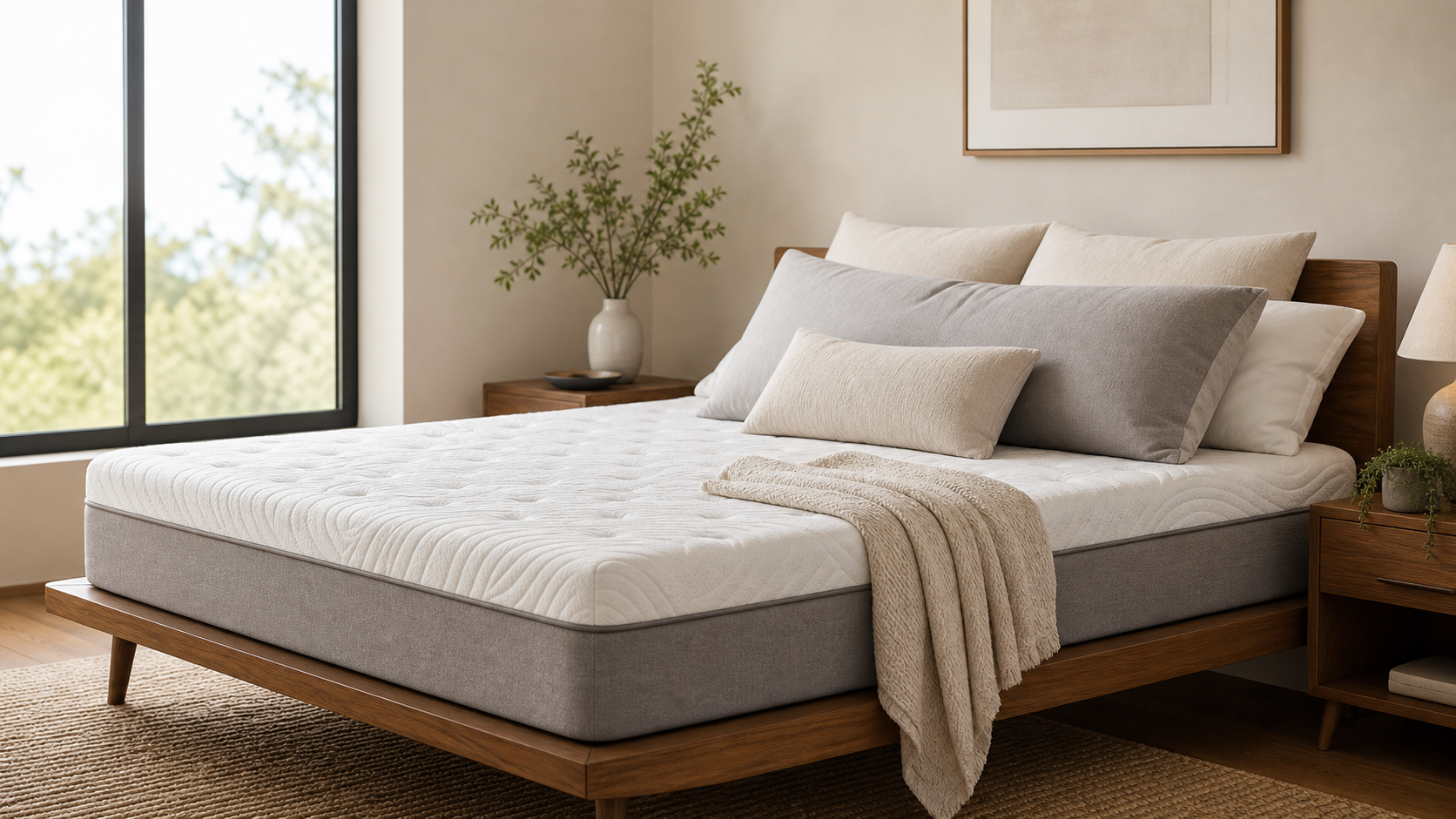
Waking up stiff in the shoulders or with a dull pain in the hips is a regular complaint by side sleepers. Since sleeping on one’s side means the entire body weight falls on a smaller area, there is increased pressure on the shoulders and hips. An overly soft mattress pushes the body into an unnatural position, while an excessively hard mattress puts stress on the spine due to misalignment.
Selecting a good mattress for side sleepers involves moving beyond common buzzwords in the mattress industry marketing and developing a precise framework for decision-making based on the science of sleep ergonomics and individual body mechanics. Formulating an ideal sleep solution, including choosing an advanced product by experts such as Walker Mattress, involves understanding the relationship between firmness, materials, and body weight.
Why Do Side Sleepers Need a Different Mattress?
A side sleeper requires a specially designed mattress due to the fact that their body weight rests only on the shoulders and the hips. This makes it necessary to have contouring in the mattress; otherwise, it will result in reduced blood flow, constant tossing and turning, and an unnatural curved spine position.
Pain Points of Side Sleepers:
- Shoulder Pain: This pain is generated due to tightness caused by the body pressing down onto an uncomfortable, firm surface.
- Hip Pain: It occurs when the mattress does not provide proper support to the pelvic region.
- Back Pain: Sagging of the central part causes misalignment of the spine.
- Numb Arms: Due to excessive pressure disrupting blood flow to the shoulder joint.
What Mattress Firmness Is Best for Side Sleepers?
Most side sleepers need a mattress with medium to medium-firm density (4-6 out of 10 on the firmness scale) to have optimal comfort. This particular density makes the body weight of the heavy parts of the body—shoulders and hips—sink sufficiently to make the spine straight without sagging the lower back.
Soft (2–4)
- Pros: Offers exceptional plushness and maximum pressure relief for lighter individuals.
- Cons: Lacks structural support for average or heavier individuals, often causing the hips to sag.
Medium (5–6)
- Who it fits: Ideal for the vast majority of side sleepers who weigh less than 230 pounds due to its cradle and push-back balance.
Medium-Firm (6–7)
- Best for heavier people: Required for side sleepers above 230 pounds, needing firmer support cores to avoid sagging.
Firmness Recommendations by Sleeper Profile
| Firmness Level (1–10 Scale) | Best Suited For | Ergonomic Benefit |
| Soft (3–4) | Sleepers under 130 lbs | Maximum contouring for prominent bones |
| Medium (5–6) | Sleepers between 130–230 lbs | Balanced pressure relief and spine alignment |
| Medium-Firm (6–7) | Sleepers over 230 lbs | Deep structural push-back to prevent sagging |
Which Mattress Material Is Best?
The ideal type of mattress material for side sleeping is one that contours well with the curves of the body but does not compromise on support. High-tech memory foam, natural latex, and hybrid pocket coils all provide excellent pressure relief properties, while the old-fashioned open coils do not have these capabilities.
Memory Foam
- Pros: Perfect contouring to the body, great pressure point relief, and great motion isolation.
- Cons: Tends to retain body heat if not made using open-cell or gel technology.
Latex
- Pros: Breathable, long-lasting, and very responsive.
- Cons: General contour as opposed to localized cradling.
Hybrid
- Pros: Deep pressure relief from foam layer combined with good airflow and push back from pocketed coils.
- Cons: Usually more expensive and physically heavier.
Mistakes Side Sleepers Should Avoid
A typical error that side sleepers commit when buying beds is that they opt for an extra-firm bed, thinking that firmer is synonymous with orthopedic properties. Furthermore, some consumers choose the beds without taking into consideration how their own body weight reacts to the comfort layer.
Main Mistakes to Avoid:
- Choosing the extra-firm bed causes shoulder constriction.
- Forgetting about the sleep trial, which is crucial for muscle adjustment.
- Choosing the lower promoted price over the durable high-density foam.
Final Mattress Buying Checklist
- [ ] Sleeping Position Verified: Confirmed that side sleeping is your dominant configuration.
- [ ] Weight Matched to Firmness: Scaled your firmness selection directly to your current weight profile.
- [ ] Material Choice Selected: Decided between memory foam cradling and hybrid responsiveness.
- [ ] Risk-Free Trial Included: Verified a minimum 100-night home sleep trial with hassle-free returns.
- [ ] Warranty Inspected: Confirmed a warranty that protects against structural sagging over 1 inch.
Selecting the appropriate Walker Mattress as a side sleeper is a task that involves careful consideration of sleep ergonomics. Through focusing on pressure relief, counterbalancing your body’s weight on the normal firmness scale, and choosing premium materials that provide good contouring, you will be able to avoid joint pains in the morning once and for all.

