
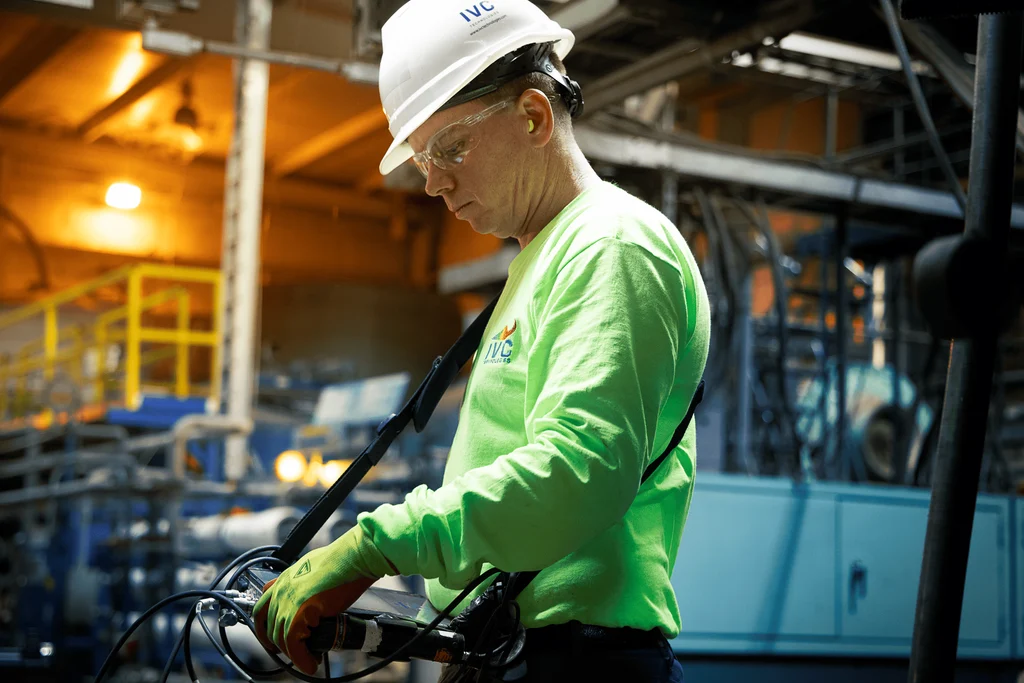
Workplace safety in industrial environments depends heavily on the reliable operation of machinery and equipment. When mechanical systems begin to deteriorate, they can create excessive vibration, unusual movement, noise, component stress, and other warning signs that may eventually lead to equipment failure or hazardous situations. Traditional inspections often require maintenance personnel to approach operating machinery and perform periodic measurements in person. Although these inspections remain valuable, they can expose workers to moving components, elevated temperatures, high noise levels, restricted areas, and other workplace hazards. Remote vibration supervision provides a safer and more proactive alternative by allowing equipment conditions to be monitored from a distance.
Reducing Exposure to Hazardous Machinery
Industrial machinery can create numerous hazards for employees, particularly when inspections must be performed while equipment is operating. Rotating shafts, motors, pumps, fans, compressors, conveyors, and other moving systems may present risks that require strict safety procedures and controlled access. Remote vibration supervision reduces the need for technicians to approach these assets simply to collect routine condition data.
Sensors can remain installed on equipment and continuously gather measurements without requiring personnel to enter potentially hazardous areas. Maintenance professionals can review information from a control room, office, or other safer location and determine whether an asset requires closer investigation. This does not eliminate the need for physical inspections or repairs, but it allows many routine monitoring activities to be completed without unnecessary exposure.
Detecting Mechanical Problems
Many mechanical failures develop gradually, creating changes in vibration that can be detected before a component reaches a critical condition. Imbalance, shaft misalignment, bearing deterioration, looseness, gear damage, resonance, and other mechanical issues can produce recognizable changes in vibration patterns. Remote machine vibration monitoring systems can establish baseline measurements for equipment and identify deviations from normal behavior as conditions change.
Early detection gives maintenance teams an opportunity to investigate developing faults before they result in serious failures. This is important from a workplace safety perspective because catastrophic equipment failures can create hazards for employees as well as cause production losses. A damaged bearing, for example, may generate increasingly abnormal vibration before it overheats or fails. A loose component can gradually worsen until parts become detached or damaged. Identifying these warning signs allows organizations to schedule corrective maintenance before the equipment reaches a dangerous condition.
Supporting Faster and Better-Informed Responses
Remote vibration supervision can improve the speed and quality of maintenance decisions by providing continuous or frequent information about equipment condition. In a conventional inspection program, technicians may collect measurements at intervals, leaving periods during which a developing fault could go unnoticed. Continuous monitoring reduces this gap and creates a more detailed record of how machinery behaves throughout its operating cycle.
When an abnormal trend appears, monitoring platforms can generate alerts that notify responsible personnel and prompt further assessment. Maintenance teams can then examine the severity and development of the issue before deciding on the appropriate response. Historical data can also help technicians distinguish between temporary changes and persistent deterioration. This information supports more accurate prioritization, ensuring that serious equipment conditions receive attention before less critical issues.
Integrating Vibration Supervision with Modern Safety Systems
The greatest benefits of remote vibration supervision can be achieved when it is integrated with wider industrial monitoring and safety systems. Modern facilities increasingly use connected sensors, industrial Internet of Things platforms, computerized maintenance management systems, and advanced analytics to manage equipment condition. Vibration data can be combined with measurements such as temperature, pressure, speed, acoustic emissions, and energy consumption to create a more comprehensive picture of machinery health.
Advanced analytics can help identify relationships between these variables and recognize patterns that may indicate a developing fault. When an abnormal condition is detected, information can be transferred into maintenance workflows so that inspections and corrective actions can be documented and tracked. Remote monitoring can also support safety management by providing maintenance teams with equipment information before they enter an area.
When combined with temperature monitoring, advanced analytics, computerized maintenance systems, and established safety procedures, vibration supervision provides a comprehensive approach to managing equipment-related risks. The technology does not remove the need for skilled technicians or physical inspections, but it allows those activities to be performed more strategically and with better information. As industrial workplaces become increasingly connected, remote vibration supervision will continue to play an important role in creating safer, more reliable, and more proactive maintenance environments.
