
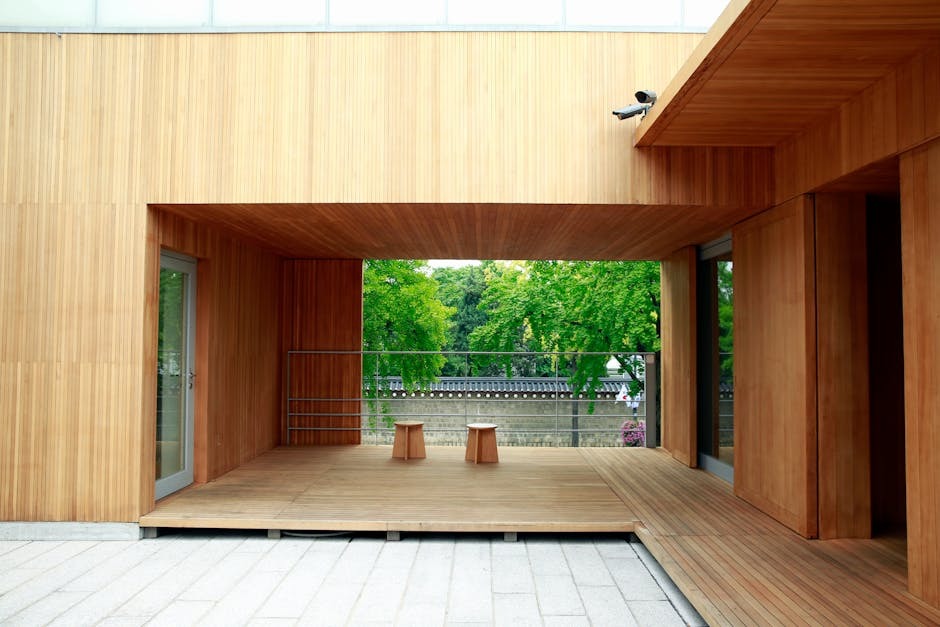
Outdoor areas often serve as quiet spaces for rest, conversation, and shared activities with family or guests. A garden corner, patio, terrace, or balcony can feel far more welcoming when the materials used in the design connect naturally with the surrounding environment. Exterior wood paneling for outdoor spaces continues to attract property owners for this reason. The texture, grain, and natural tones of wood introduce a softer visual character that works well in residential settings of many styles. Unlike artificial finishes that can appear cold or overly manufactured, wood surfaces create a relaxed and balanced atmosphere suited to open-air environments.
Wood paneling can reshape an outdoor area without requiring a complete structural renovation. A plain wall, fence, or seating enclosure can gain more depth and visual appeal through carefully selected timber panels. The material blends naturally with plants, stone pathways, outdoor lighting, and water features, helping different parts of the property feel visually connected. This sense of continuity often makes the outdoor section feel like a natural extension of the home rather than a separate area.
Natural Appearance and Lasting Performance
One reason wood paneling remains widely used in exterior design comes from its combination of appearance and practical value. Timber carries a timeless quality that rarely goes out of style. Its natural variation in color and grain prevents outdoor surfaces from appearing flat or repetitive. Sunlight interacting with wood throughout the day can create subtle tonal shifts that add character to patios, garden walls, pergolas, and seating areas. Exterior wood paneling performs well across changing weather conditions when the material receives proper treatment and care. Many timber varieties resist wear from heat, moisture, and wind once sealed correctly. This durability allows the panels to maintain their structure and appearance across many years of use. Wood also offers natural insulation qualities, helping outdoor structures remain more comfortable during warmer afternoons or cooler evenings. Covered entertainment areas and semi-enclosed patios often benefit from this added layer of temperature moderation. Another advantage comes from the repair process. Small damaged sections can often be refinished or replaced without removing entire installations. This makes long-term upkeep more manageable compared with certain synthetic materials that require full panel replacement after visible wear or cracking.
Flexible Design for Different Property Styles
Exterior wood paneling suits a broad range of architectural themes. Contemporary homes often pair timber with glass, steel, or concrete for a clean and balanced appearance. Traditional homes benefit from the warmth and texture that wood naturally provides. Rustic properties frequently use wider timber panels or deeper wood tones to strengthen the connection with natural surroundings. The selection of timber species can significantly influence the finished appearance. Cedar remains popular for its rich color and resistance to moisture. Redwood offers a distinctive grain pattern and a refined finish suited to decorative applications. Spruce provides a lighter appearance that works well in modern outdoor layouts. Each timber type carries unique visual qualities that shape the atmosphere of the outdoor area. Panel orientation can alter the visual effect of a space. Horizontal layouts often make compact outdoor sections appear wider and more open.
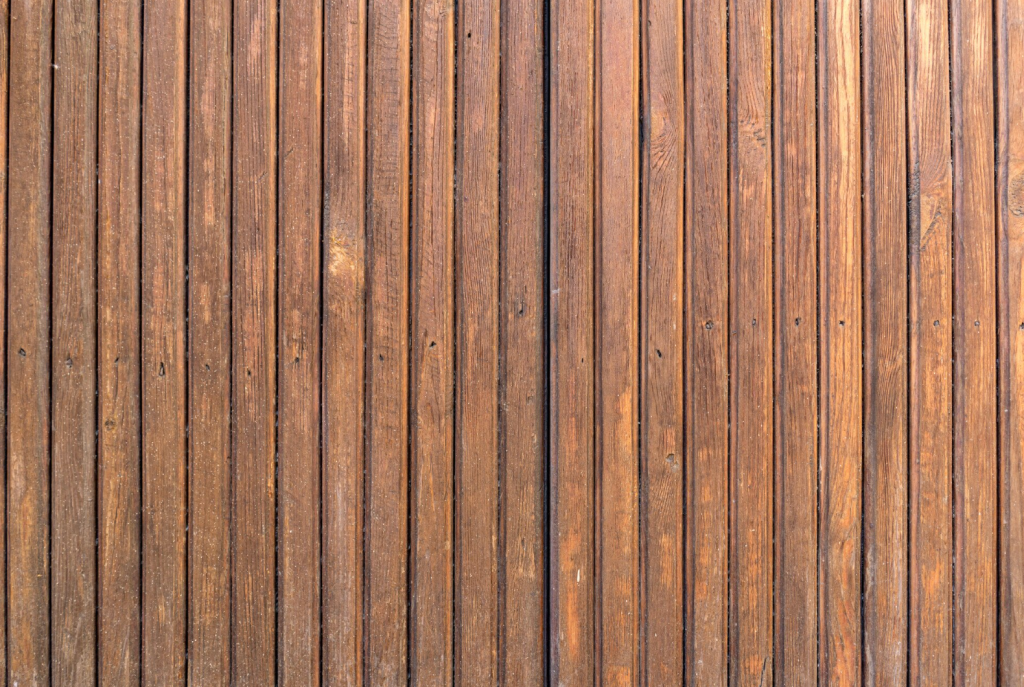
Vertical arrangements create a stronger sense of height, which can improve the appearance of smaller courtyards or narrow walls. Diagonal placements introduce a more decorative feature for accent walls or privacy screens. These design variations allow homeowners to adapt the material to different property sizes and architectural preferences without making the outdoor area feel repetitive.
Environmentally Conscious Material Selection
Interest in environmentally responsible construction materials has increased across residential design projects, and wood paneling continues to attract attention as a renewable option. Responsibly harvested timber sourced from managed forests supports long-term resource renewal. Many suppliers now provide certification programs that confirm sustainable forestry practices, giving property owners more confidence in the origin of the material. Wood production often requires less industrial processing compared with steel, vinyl, or concrete-based alternatives. This lower manufacturing demand can reduce environmental impact across the production cycle. Timber also stores carbon throughout its lifespan, which contributes positively when compared with materials associated with higher emissions during manufacturing. Natural materials frequently age more gracefully in outdoor settings.
Many property owners appreciate the gradual weathering process that certain timber species develop over time. Some woods adopt softer gray tones after years of exposure, creating a mature and settled appearance that blends naturally with gardens and surrounding vegetation.
Care and Maintenance Requirements
Exterior wood paneling benefits from regular maintenance that protects both appearance and structural condition. Routine cleaning removes accumulated dust, pollen, moisture residue, and surface stains that may weaken the finish over time. Mild washing methods often help preserve the natural surface without damaging the grain. Protective sealants guard the wood against moisture absorption, sun exposure, and seasonal weather changes. Re-staining helps refresh faded surfaces and restores color depth after extended outdoor exposure.
Maintenance schedules vary depending on climate conditions, timber species, and the level of direct sunlight received throughout the year. Inspection plays a valuable role in preserving long-term performance. Property owners often examine joints, edges, and fasteners periodically for signs of wear or moisture intrusion. Addressing minor issues early can prevent more extensive repairs later. Consistent care allows the material to retain its visual quality and structural reliability for many years.
Installation and Long-Term Value
Successful installation relies heavily on selecting timber suited to the local climate and intended application. Areas with frequent rainfall may require moisture-resistant wood species and specialized sealants. Spaces exposed to prolonged sunlight may benefit from UV-protective finishes that reduce fading and surface drying. Proper spacing during installation allows timber to respond naturally to temperature and humidity changes. Wood expands and contracts as environmental conditions shift, so correct placement techniques reduce the risk of warping or surface distortion. Fasteners, coatings, and support structures all influence the durability of the completed installation.
Professional installation services often help achieve cleaner alignment, smoother finishes, and stronger structural support. Skilled workmanship can improve drainage, airflow, and panel stability, all of which contribute to longer product life. Although the initial expense may appear higher than some synthetic alternatives, wood paneling often delivers lasting value through durability, repair flexibility, and visual appeal.
Conclusion
Exterior wood paneling continues to hold a strong position in outdoor design through its balance of natural beauty, adaptability, and practical performance. The material complements many architectural styles and supports a wide range of outdoor applications, from privacy screens and decorative walls to covered entertainment spaces and garden features. Its organic appearance creates a welcoming atmosphere that blends comfortably with surrounding landscapes. With proper material selection, careful installation, and ongoing maintenance, wood paneling can remain attractive and reliable across many years of use. The combination of visual warmth, environmental appeal, and long-term durability makes timber paneling a strong choice for outdoor spaces designed for comfort, relaxation, and everyday enjoyment.
