

The Lie That Good Streetwear Requires a Big Budget
Streetwear marketing wants you to believe that dressing well requires constant spending. New drops every week, limited editions every month, premium brands releasing pieces at prices that would have seemed insane a decade ago. The whole industry runs on the assumption that more money buys better outfits, and most guys accept that assumption without ever questioning it. The truth is more interesting and a lot more useful. People with the best-looking streetwear wardrobes usually aren’t the ones spending the most money. They’re the ones spending strategically investing in the right pieces, waiting out the wrong ones, and refusing to buy anything that doesn’t earn its place in the actual rotation. After years of writing about streetwear and watching how people actually build their wardrobes over time, I’ve noticed the same pattern repeatedly. Big spenders end up with closets full of pieces that never get worn, while smart shoppers end up with smaller wardrobes that look better and work harder. The difference isn’t budget. The difference is approach. This article walks through how to dress sharp on a tight budget without sacrificing the quality that makes streetwear worth wearing in the first place. None of these strategies require you to settle for cheap pieces that fall apart in six months. They just require you to think differently about how money flows from your wallet into your closet. Spend less, choose better, wear longer. That’s the entire game, and it works at any budget level once you commit to playing it properly.
Why Buying Fewer Things Actually Saves You Money
This is the most counterintuitive part of budget streetwear, and the part most people resist for years before finally accepting. Buying fewer pieces at higher prices saves money long-term compared to buying more pieces at lower prices. The maths is simple once you actually run the numbers. A $30 hoodie that lasts twelve months costs you $30 per year. A $150 hoodie that lasts six years costs you $25 per year. The premium piece is actually cheaper despite costing five times more upfront, and you get better fabric, better construction, and a piece that ages well across all those years. The same logic applies to almost every clothing category tees, pants, jackets, shoes. Cheap pieces feel like savings in the moment and feel like waste over time. Premium pieces feel like splurges in the moment and feel like investments over time. The challenge is that most budget shoppers can’t access premium pieces immediately, which makes the “buy less, buy better” advice frustrating to hear when you don’t have the money to follow it. The honest workaround is patience. Save up for one premium piece at a time rather than buying multiple cheap pieces with the same money. Wait three months between purchases if necessary. Yes, that’s slower than just grabbing whatever’s on sale, but the resulting wardrobe will be better, last longer, and cost less per year in the long run. A quality piece from a brand like geedup at $150 will outlast five $30 alternatives, which means your three-month save-up actually produces more value than five months of cheap purchases. The maths only works if you commit to it.
The Three Categories Worth Spending Real Money On
Not every clothing category rewards premium spending equally. Some pieces genuinely benefit from the extra investment because the construction differences directly affect how the piece looks and lasts. Others don’t justify the premium because cheap versions function nearly as well. Knowing which categories deserve serious money saves you from spreading your budget too thin. The three categories that almost always reward premium investment:
- Hoodies and outerwear these are your most visible pieces and the ones you wear most often. Fabric weight, construction quality, and silhouette consistency all matter enormously, and cheap pieces in this category look obviously cheap from across a room.
- Footwear shoes determine the whole vibe of any outfit and they take the most physical abuse. A quality pair lasts five years; a cheap pair lasts one. Spend properly here even on tight budgets.
- Foundation tees and base layers these get worn constantly under everything else, and cheap fabric goes thin, grey, and shapeless within months. Premium plain tees in heavyweight cotton form the actual backbone of most outfits.
The categories you can safely save money on include socks, undershirts, basic shorts, lounge pants, and trend-driven pieces with short relevance windows. Spend less on these without much loss in outfit quality. Concentrate your budget on the three categories that actually matter, and your overall wardrobe will look more expensive than it actually is. This allocation strategy is the single biggest improvement most budget shoppers can make. Stop spreading money evenly across everything and start spending it where it produces the most visible return.
How to Use Sales and Outlets Without Falling for Hype
Sales are tricky territory for budget shoppers. On one hand, sales genuinely lower the cost of premium pieces and can put quality clothing within reach of smaller budgets. On the other hand, sales psychologically manipulate you into buying pieces you wouldn’t have bought at full price, which means the “saving” is actually just disguised spending on things you didn’t need. The trick is knowing the difference between strategic sale shopping and impulse sale shopping. Strategic sale shopping means having a clear wishlist of pieces you’ve already decided to buy, then waiting for those specific pieces to drop in price. When the sale arrives, you buy what was already on the list, ignore everything else, and walk away with genuine savings on planned purchases. Impulse sale shopping means scrolling through discount pages looking for pieces that catch your eye, then buying based on the discount percentage rather than the actual desire for the piece. This second pattern is what most sale shoppers actually do, and it’s why most sale purchases end up unworn within a year. Brands like comme des garcons rarely go on sale through official channels because their pricing model depends on prestige consistency, but the authorised retailers that carry CDG Play do run end-of-season sales where pieces drop ten to twenty percent. That’s the window to buy if you’ve already decided you want the brand. For other premium streetwear labels, end-of-season sales, brand outlet stores, and select-store clearance events all provide legitimate discounts on quality pieces. The honest limitation of sale shopping is that the best sizes and colours sell out fast, so you often have to settle for second-choice options to access the discount. Sometimes that’s worth it. Sometimes it isn’t. Apply judgement rather than just chasing the percentage off the original price.
The Secondhand and Resale Market Strategy
The secondhand market is the single most underrated budget streetwear strategy, and most people who would benefit most from it never seriously engage with it. Premium pieces from years past show up on resale platforms regularly at fractions of their original prices, often in excellent condition because the original buyers barely wore them. The pieces are still well-made, still in style if you choose classic silhouettes, and still capable of building a great wardrobe at a much lower cost than buying new. Platforms like Grailed, Depop, eBay, and local Facebook marketplace groups all carry serious streetwear inventory if you’re willing to spend time hunting. The trick is knowing how to buy safely. Always check the seller’s feedback rating and request additional photos of any piece showing wear, condition, or authenticity markers. Avoid suspiciously cheap listings on hyped pieces they’re usually fake. Stick to pieces in classic silhouettes that age well, and avoid trend-driven pieces that looked great two years ago but feel dated now. Older pieces from labels like cole buxton regularly appear on resale at meaningful discounts to retail, and the brand’s restrained aesthetic means past-season pieces don’t look dated the way trend-chasing brands do. That makes Cole Buxton particularly well-suited to secondhand shopping. Same logic applies to most premium adult streetwear brands that prioritise classic silhouettes over trend chasing. The secondhand market also works in your favour when you eventually want to refresh your wardrobe. Pieces you bought years ago can be resold to fund new purchases, creating a circular wardrobe economy that costs far less than constant new-retail buying. The honest opinion worth sharing is that almost everyone interested in premium streetwear should be buying secondhand for at least half of their pieces. The savings are real, the quality is excellent, and the environmental impact is meaningful. Resistance to secondhand shopping is usually based on outdated assumptions about condition or hygiene that don’t apply to the current market.
Building a Capsule Wardrobe That Works Within a Budget
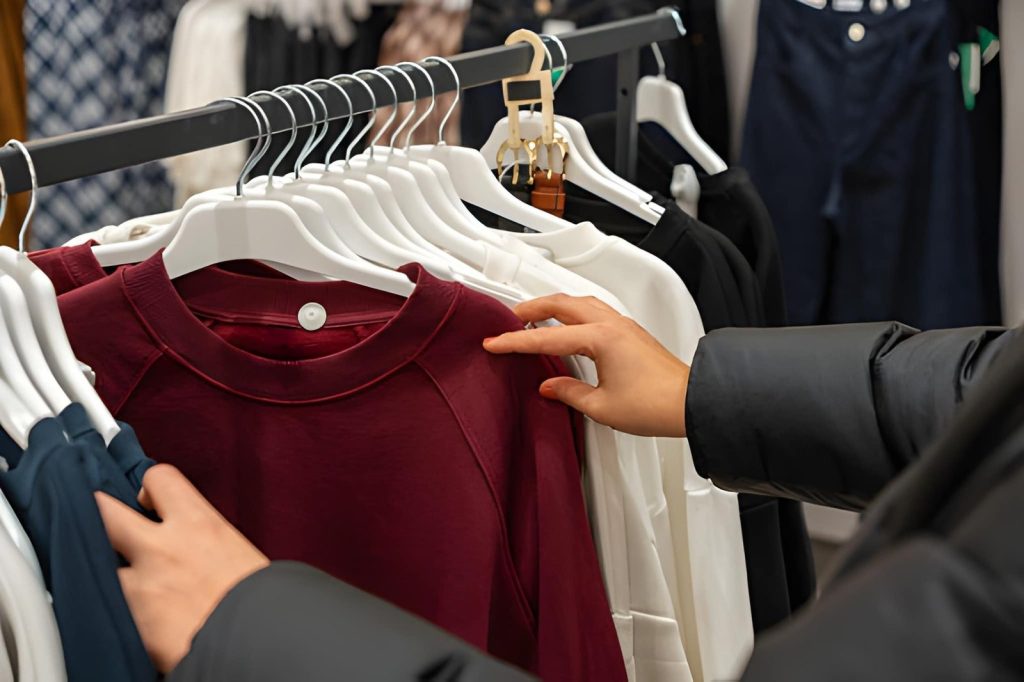
Capsule wardrobes are the budget shopper’s secret weapon because they eliminate waste and force every piece to earn its place. The basic idea is to own a small number of well-chosen pieces that mix and match into many distinct outfits, rather than owning a large number of random pieces that mostly don’t combine well together. A proper streetwear capsule for tight budgets might include just eight to twelve pieces total. The exact composition varies by climate and personal style, but a reasonable starting framework includes:
- Two foundation hoodies in neutral colours that pair with everything else in the capsule.
- Three plain tees in white, black, and one earth tone like olive or cream.
- One graphic tee or branded piece that adds personality without dominating the wardrobe.
- Two pairs of bottoms one trackpant or relaxed cut, one cargo or chino.
- One pair of shorts for summer wear that pair with all three of your tees.
- One outer jacket that handles cooler weather and elevates any outfit.
- One pair of versatile sneakers in a neutral colour that work across all the outfits above.
That’s ten or eleven pieces total, generating dozens of distinct outfit combinations across seasons and occasions. The total budget for a quality capsule of this size sits somewhere between $800 and $1,500 depending on which brands you choose, which is genuinely accessible if you save and buy over six to twelve months rather than all at once. The capsule approach also stops you from constantly shopping because every piece you own has a defined role and you can immediately tell whether a new potential purchase fills a gap or just adds clutter. That clarity is the single most valuable thing you can build into your wardrobe regardless of your budget level.
Where to Cut Costs Without Cutting Quality
Budget shopping requires being honest about where premium spending genuinely matters and where it doesn’t. Cutting costs in the right categories produces dramatic savings without affecting how good you actually look. Some specific places to save money without compromising the wardrobe overall. Underwear and socks can be bought from mid-range brands rather than premium ones the difference at this category level is minimal and the visible impact on outfits is zero. Loungewear and pieces only worn at home don’t need to be premium, since nobody but you sees them and comfort matters more than construction. Gym clothes specifically built for working out are better bought from athletic brands at mid-range prices than premium streetwear labels charging more for less-functional pieces. Accessories like belts and beanies can occasionally be bought from non-premium brands if the quality is genuinely there, although real leather belts in particular tend to justify the premium across years of use. Trend-driven pieces with short relevance windows should always be bought cheap. If you want to try a current colour or silhouette that might not last, don’t spend $200 on it. Spend $30, wear it through its moment, and move on without regret. Old-stock pieces from brands you like meaning past-season pieces that didn’t sell out and got marked down represent serious value if you don’t care about wearing the absolute current drop. Sample sales, factory outlets, and second-hand channels all carry these pieces at meaningful discounts. The honest limitation is that cutting costs requires discipline about what counts as good enough in each category. The temptation to spend everywhere makes spreading your budget too thin, which means nothing in your wardrobe actually feels premium even though you spent meaningful money. Concentrate spending where it matters most, save aggressively where it doesn’t, and your wardrobe will look better than someone with twice your budget spreading their money randomly.
The Mindset Shifts That Make Budget Streetwear Work
The biggest factor in budget streetwear success isn’t strategy or specific products. It’s mindset. People who succeed at building great wardrobes on tight budgets share a few specific mental habits that distinguish them from people who struggle. The first habit is patience. Budget shoppers who succeed are comfortable waiting weeks or months for the right piece at the right price rather than buying immediately whenever the shopping urge hits. The urge passes within hours most of the time, and what feels essential today often feels unnecessary in a week. Embrace the wait. The second habit is honesty about actual needs. Most wardrobes are bloated with pieces that seemed useful at the time but never fit the real life of the wearer. Budget shoppers who succeed regularly audit their actual usage patterns and stop buying for the imaginary life they wish they had. Buy for the life you actually live. The third habit is comfort with repetition. People worried about wearing the same outfit twice in one week tend to overbuy. People comfortable with rotation through a small wardrobe end up with better-curated closets and lower spending. Nobody actually notices your outfit repetition, and the people who do are the wrong audience to dress for anyway. The fourth habit is appreciation for what you already own. Most wardrobes contain at least a few great pieces that don’t get the wear they deserve because the owner is distracted by chasing the next purchase. Spend time actually styling and enjoying what you have before adding anything new. You’ll often find the wardrobe is already pretty good once you stop ignoring it. The fifth and most important habit is rejecting the framing that more equals better in clothing. Marketing wants you to believe that the next purchase will complete your wardrobe. It won’t. There’s always another piece, another drop, another collaboration. Step off the cycle at any point and start enjoying what you have. The freedom of contentment is genuinely valuable and impossible to overstate once you experience it.
Final Words
Budget streetwear isn’t about settling for less. It’s about choosing better, spending strategically, and refusing to fall for the marketing pressure that pushes constant buying as the only path to good style. The people with the best wardrobes are usually the ones who’ve stopped shopping reactively and started shopping with intention. Save for foundation pieces that justify premium spending. Cut costs ruthlessly on categories where the difference doesn’t matter. Buy secondhand whenever quality and condition allow. Build a capsule that mixes and matches rather than a sprawl that mostly doesn’t combine. Wait out trends rather than chasing them. Audit your actual usage patterns to stop buying for an imaginary version of yourself. These habits compound over time into wardrobes that look better than they cost and last longer than they should. The whole approach works at any budget level, from genuinely tight to comfortable. Apply it consistently and you’ll spend less money on clothes while ending up better dressed than people spending three times as much. That’s the actual secret of premium streetwear that the industry doesn’t want you to know.
FAQs
Q: How much should I budget for a starter streetwear wardrobe? A: Around $800-1,500 covers ten to twelve quality pieces across hoodies, tees, bottoms, jacket, and sneakers. Save and buy over six to twelve months rather than all at once.
Q: Is buying secondhand really worth the effort? A: For premium brands, absolutely. Pieces in excellent condition routinely sell at thirty to fifty percent off retail, and the quality is identical to new. The savings compound across multiple purchases.
Q: Which streetwear categories should I never buy cheap? A: Hoodies, outerwear, footwear, and foundation tees. These are the most visible pieces in any outfit and the ones that take the most wear, so premium investment pays off measurably.
Q: How do I avoid impulse buying when something is on sale? A: Keep a wishlist of pieces you’ve already decided you want. Only buy from the list during sales, never from the general discount page. If it wasn’t on the list before the sale, it doesn’t belong on the list during the sale.Q: Is it possible to look as good as someone spending three times my budget? A: Yes, if you spend strategically. Concentrate your money on visible foundation pieces, cut costs on invisible categories, and refuse to buy anything that doesn’t earn its place. Wardrobe quality is about choices, not just budget.
