
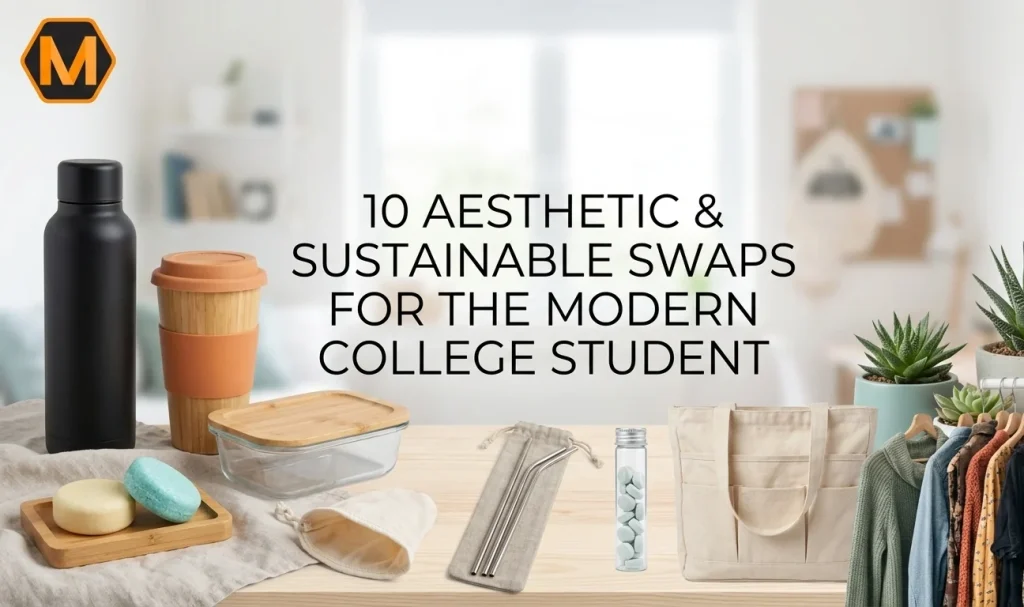
The modern college experience is shifting rapidly in 2026. We are moving away from the “hustle at all costs” mentality toward a more intentional, curated lifestyle. Today, being a student isn’t just about the grades; it’s about the “vibe” you create and the footprint you leave behind. Sustainability has officially entered its aesthetic era. It is no longer about bulky, unattractive gear; it is about minimalist designs, earth tones, and clever swaps that make your dorm room look like a Pinterest board while protecting the planet.
Living sustainably as a student often feels like a balancing act between a tight budget and a busy schedule. However, making eco-friendly choices can actually simplify your life. From reducing the clutter on your desk to choosing high-quality digital resources, every small change contributes to a more focused mind. For students tackling complex technical subjects, finding the right Mechanical Engineering Assignment Help from myassignmenthelp ensures that your academic journey remains as streamlined and efficient as your new sustainable lifestyle. By prioritizing quality over quantity, you free up the mental space needed to focus on what truly matters: your growth and the environment.
1. The Transition to a Digital-First Desk
The classic image of a student buried under piles of loose-leaf paper and plastic highlighters is becoming obsolete. One of the most impactful sustainable swaps is going completely paperless. Modern tablets and e-ink notebooks allow you to keep all your lectures, sketches, and textbooks in one slim device. This doesn’t just save trees; it removes the visual noise of a cluttered desk, creating a “minimalist academic” aesthetic that is perfect for focus.
Beyond the tablet, look into cloud-based organization. Storing your notes digitally means you never lose a page and you don’t need plastic dividers or binders. If you are a visual learner, digital mind-mapping tools offer a way to connect ideas without wasting a single sheet of paper.
2. Thrifting a “Capsule” Campus Wardrobe
Fast fashion is a major contributor to global waste, and college campuses are often hubs for rotating trends. Instead of buying a new outfit for every social event, focus on building a thrifted capsule wardrobe. Look for high-quality natural fibers like cotton, linen, and wool at local vintage shops.
A capsule wardrobe consists of 15–20 versatile pieces that can be mixed and matched. Not only is this better for the Earth, but it also gives you a unique, “one-of-one” style that mass-produced mall brands simply can’t replicate. You save money, save time getting dressed in the morning, and help reduce the millions of tons of textile waste produced annually.
3. Glass over Plastic: The Meal Prep Revolution
If you find yourself constantly buying plastic-wrapped snacks or using disposable containers, it’s time for an upgrade. Switching to glass or stainless steel bento boxes is a game-changer. Glass containers are aesthetic, easy to clean, and they don’t leach chemicals into your food.
Meal prepping isn’t just a health trend; it’s a sustainability powerhouse. When you prep your meals in glass, you reduce the need for takeout containers and single-use plastics. Plus, seeing your colorful, healthy meals through clear glass makes the habit of eating well feel much more rewarding. It transforms your fridge from a chaotic mess into an organized, eco-friendly pantry.
4. The Refillable Beauty and Grooming Routine
Your bathroom shelf is a great place to start your zero-waste journey. Many modern brands now offer “refill stations” for everything from shampoo to laundry detergent. Swap out plastic bottled soaps for high-quality bar soaps and solid shampoo pucks. They often come in beautiful, minimal packaging and last significantly longer than their liquid counterparts.
These swaps turn your daily shower into a spa-like experience without the plastic guilt. Many solid beauty products are also travel-friendly, meaning no more tiny plastic “travel-size” bottles when you head home for the holidays.
Connecting with a professional assignment expert can give you the extra time needed to research these local eco-friendly shops and refill stations in your city.
5. Conscious Caffeine: The Bamboo Travel Mug
For many students, coffee is a non-negotiable part of the morning. However, those “paper” cups are often lined with plastic that makes them unrecyclable. Investing in a high-quality bamboo or ceramic travel mug is an easy win.
A sleek, matte-finish mug looks much better in your hand while you’re walking to a 9:00 AM lecture than a soggy paper cup. Furthermore, many campus cafes now offer a “BYO cup” discount, meaning your sustainable choice pays for itself within a few weeks. It’s a simple swap that targets one of the most common sources of campus litter.
6. Sustainable Stationery: The Refillable Fountain Pen
If you still love the feeling of pen on paper, move away from cheap, disposable plastic ballpoints. A refillable fountain pen or a high-quality metal rollerball is a “buy it for life” item. Pair it with a notebook made from recycled stone paper or hemp.
The writing experience is smoother, and you’ll find yourself taking more pride in your handwritten notes when the tools you use feel like luxury items. Stone paper, in particular, is waterproof and tear-resistant, making it a durable and unique alternative to traditional wood-pulp paper.
7. Energy-Efficient “Vibe” Lighting
Dorm lighting is notoriously harsh. Most students turn to string lights or floor lamps to create a cozy atmosphere. To keep it sustainable, switch all your bulbs to warm-toned LEDs. They use a fraction of the energy and last for years.
If you want to go a step further, look for solar-powered fairy lights that you can charge near your window during the day to light up your room at night for free. This creates a “low-fi” aesthetic that is perfect for late-night study sessions or relaxing after a long day of classes.
8. Indoor Plants as Natural Air Purifiers
Instead of buying chemical air fresheners or plastic decor, fill your space with living plants. Pothos, Snake Plants, and Monstera are all relatively low-maintenance and fit the “urban jungle” aesthetic perfectly.
Plants naturally filter the air, removing toxins that can accumulate in small dorm rooms. They have also been scientifically shown to reduce stress levels and improve concentration—a must-have for anyone surviving midterm season. Taking care of a living thing also builds a sense of routine and mindfulness in your daily life.
9. The Ethical Tech Upgrade
When it’s time for a tech upgrade, don’t immediately head to a big-box retailer. Look for “refurbished” or “certified pre-owned” devices. Many of these items are practically new but come at a much lower price point and prevent electronic waste from hitting landfills.
Protecting your tech with a biodegradable phone case made from compostable materials like flax or wheat straw adds a nice organic texture to your setup. It is a subtle way to signal your commitment to the planet while keeping your most important tools safe.
10. Mindful Academic Outsourcing
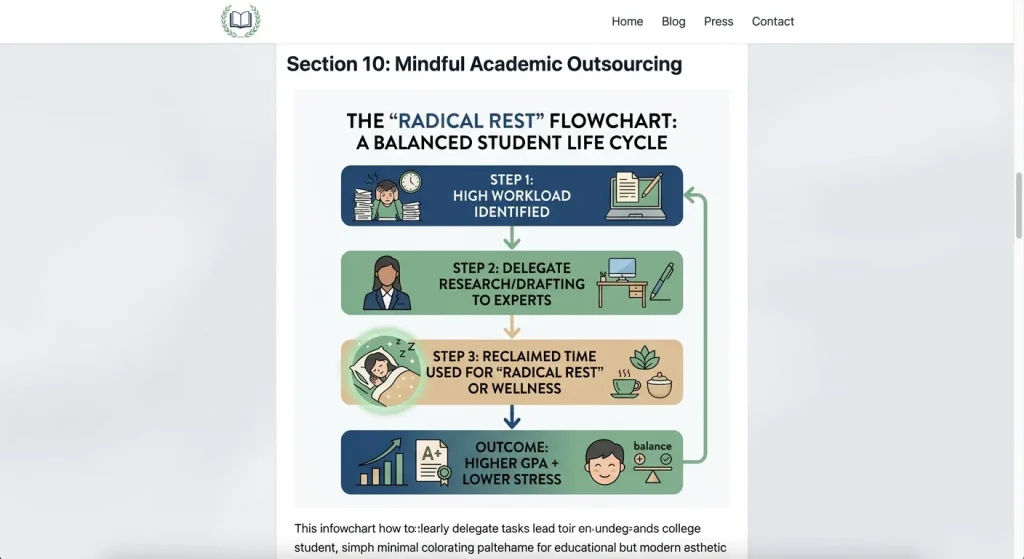
Sustainability isn’t just about physical objects; it’s about sustaining your own energy and mental health. Burnout is the opposite of a sustainable lifestyle. Learning to delegate tasks—whether that’s using a laundry service or seeking professional academic guidance—is a key part of staying balanced.
By outsourcing the heavy lifting of research and drafting, you ensure that your college career is a marathon, not a sprint. It allows you to maintain a high GPA without sacrificing your sleep or your well-being. True sustainability means creating a life that you don’t need a vacation from.
The Sustainability Impact Comparison
| Category | Standard Choice (High Waste) | Sustainable Swap (Eco-Aesthetic) | Long-term Benefit |
| Note-taking | Spiral notebooks & plastic pens | E-ink tablet & refillable metal pen | Zero paper waste; lifelong durability |
| Wardrobe | Fast fashion (weekly hauls) | Thrifted capsule wardrobe | Unique style; 90% less textile waste |
| Hydration | Disposable plastic bottles | Insulated stainless steel flask | Saves $200+/year; no microplastics |
| Coffee | Paper cups & plastic lids | Bamboo or ceramic travel mug | Reduces landfill waste; coffee stays hot |
| Dorm Decor | Plastic knick-knacks | Live indoor plants & LED lights | Purifies air; lowers energy bills |
| Dining | Plastic takeout containers | Glass or steel meal-prep boxes | Better food preservation; BPA-free |
Creating an Eco-Friendly Study Sanctuary
Your environment dictates your output. A room filled with natural light, living plants, and sustainable materials isn’t just “aesthetic”—it’s a functional workspace designed for success. When you remove the distractions of waste and clutter, your brain can engage more deeply with complex topics.
The Long-Term Impact of Small Choices
It is easy to feel like one student making ten changes won’t move the needle, but that is a misconception. Trends are built by individuals. When you carry a reusable bottle or shop at a thrift store, you influence your peers. You contribute to a culture where quality is valued over convenience and where the “modern student” is defined by their awareness of the world around them.
As we move through 2026, the definition of success is changing. It is no longer just about the high-paying job at the end of the degree; it’s about how you lived during those four years. By choosing these ten swaps, you are proving that you can be successful, stylish, and sustainable all at once. You are setting the standard for the next generation of scholars who will look back at this era as the moment when “green” became the most popular color on campus.
Remember, the goal isn’t to be perfectly zero-waste overnight. The goal is to be “imperfectly sustainable”—making better choices whenever possible and surrounding yourself with tools and services that reflect your values. Whether it’s the mug you carry or the way you handle your most difficult engineering projects, every choice is a vote for the kind of future you want to live in. Efficiency, ethics, and aesthetics are finally merging, and the modern student is at the very center of this revolution.
Frequently Asked Questions
How can I live sustainably on a tight student budget?
Sustainability doesn’t have to be expensive. Many eco-friendly habits, such as shopping at thrift stores, meal prepping to reduce food waste, and switching to digital notes, actually save money in the long run by reducing the need for constant repurchasing.
What is the easiest eco-friendly swap to start with?
The simplest starting point is often a reusable water bottle or coffee mug. These items significantly reduce daily plastic waste and are easy to incorporate into your existing campus routine without requiring major lifestyle changes.
Do digital notes really help the environment?
Yes. Transitioning to a digital-first desk eliminates the need for physical paper, plastic binders, and disposable pens. Over four years of study, this prevents hundreds of pounds of paper waste and lowers the carbon footprint associated with manufacturing and transporting physical stationery.
How do indoor plants improve a study environment?
Beyond their visual appeal, living plants act as natural air purifiers by filtering out common indoor toxins. They also help lower stress levels and boost humidity, creating a more refreshing and focused atmosphere during long study sessions.
About The Author
Min Seo is a dedicated educator and content strategist who focuses on the intersection of academic excellence and student wellness. With an eye for modern trends and sustainable learning habits, Min provides insightful guidance to help students navigate the complexities of university life. Representing myassignmenthelp, Min is committed to empowering the next generation of scholars through high-quality, human-centric academic support.
